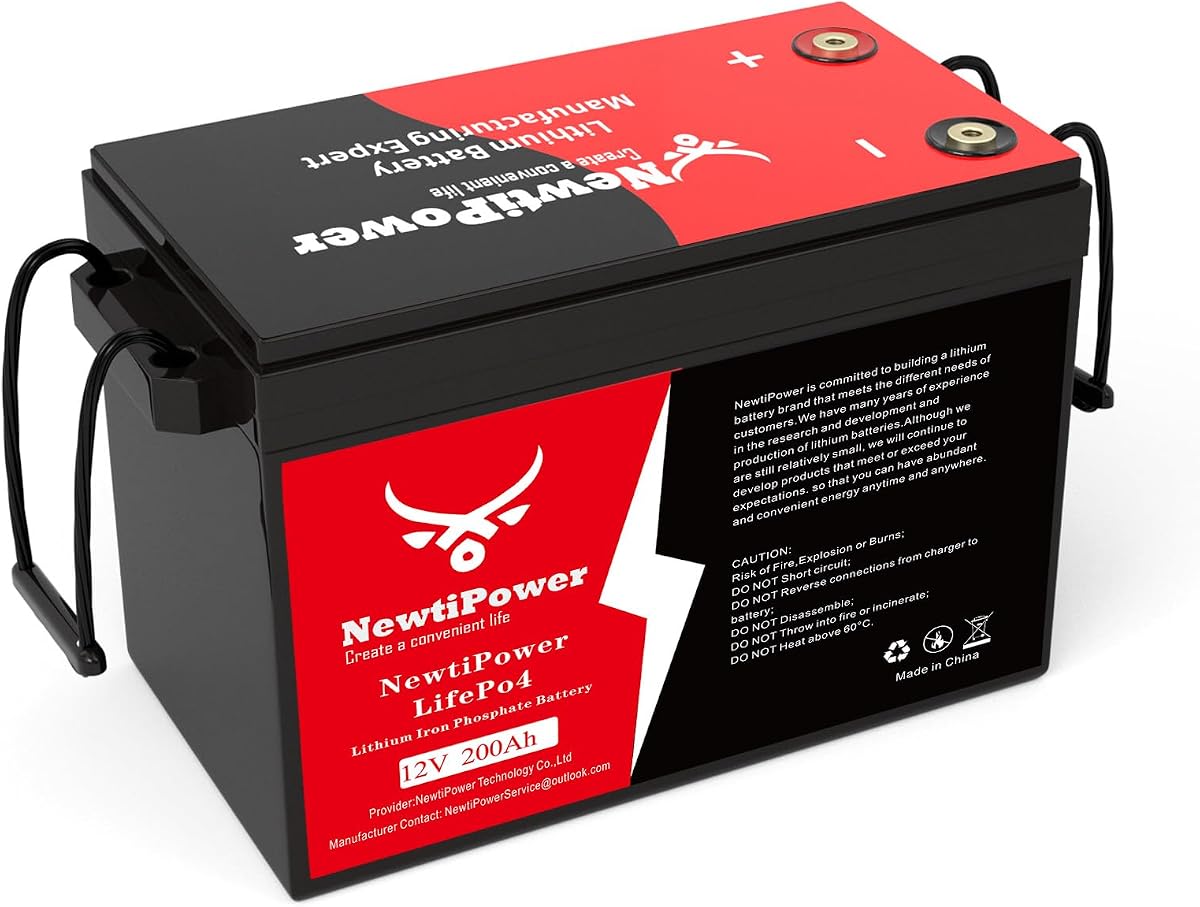
12V 200Ah Lithium LiFePO4 Battery with 150A BMS
4.2Editor score
Compact and more capacity
Intelligent 150A BMS
Supports 6S or 6P expansion
This guide compares the top 200Ah LiFePO4 batteries for RVs, boats, and off-grid solar systems based on capacity, safety, and cycle life.
Finding the right power storage solution is essential for modern off-grid living and mobile adventures. A reliable battery ensures your devices stay charged and your appliances run smoothly without interruption.
We evaluated ten leading 200Ah LiFePO4 batteries based on real-world performance, safety features, and build quality. Our analysis focuses on cycle life, weight, and expansion capabilities to help you decide.
Each pick highlights specific strengths like smart BMS protection, low-temperature cutoffs, or compact designs. Note that product availability and pricing fluctuate frequently, so always check current listings before purchasing.
4.2Editor score
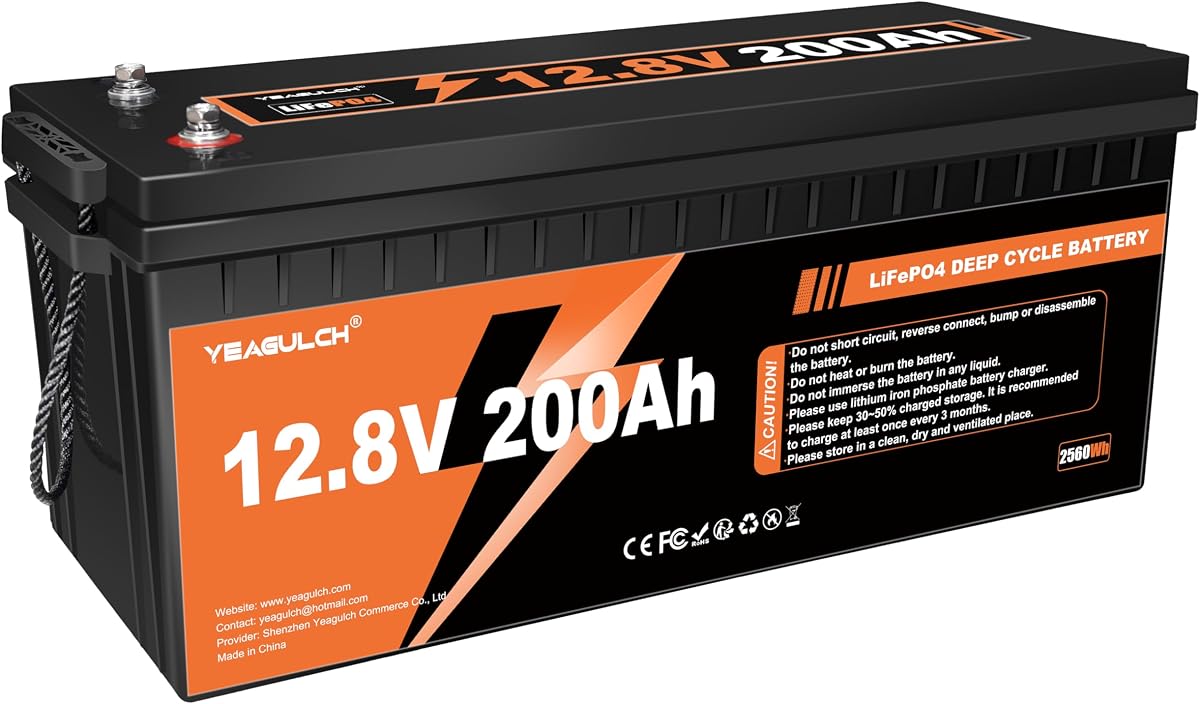
4.6Editor score

5.0Editor score
The following table provides a side-by-side comparison of all ten selected models to help you quickly identify key specifications and differences.


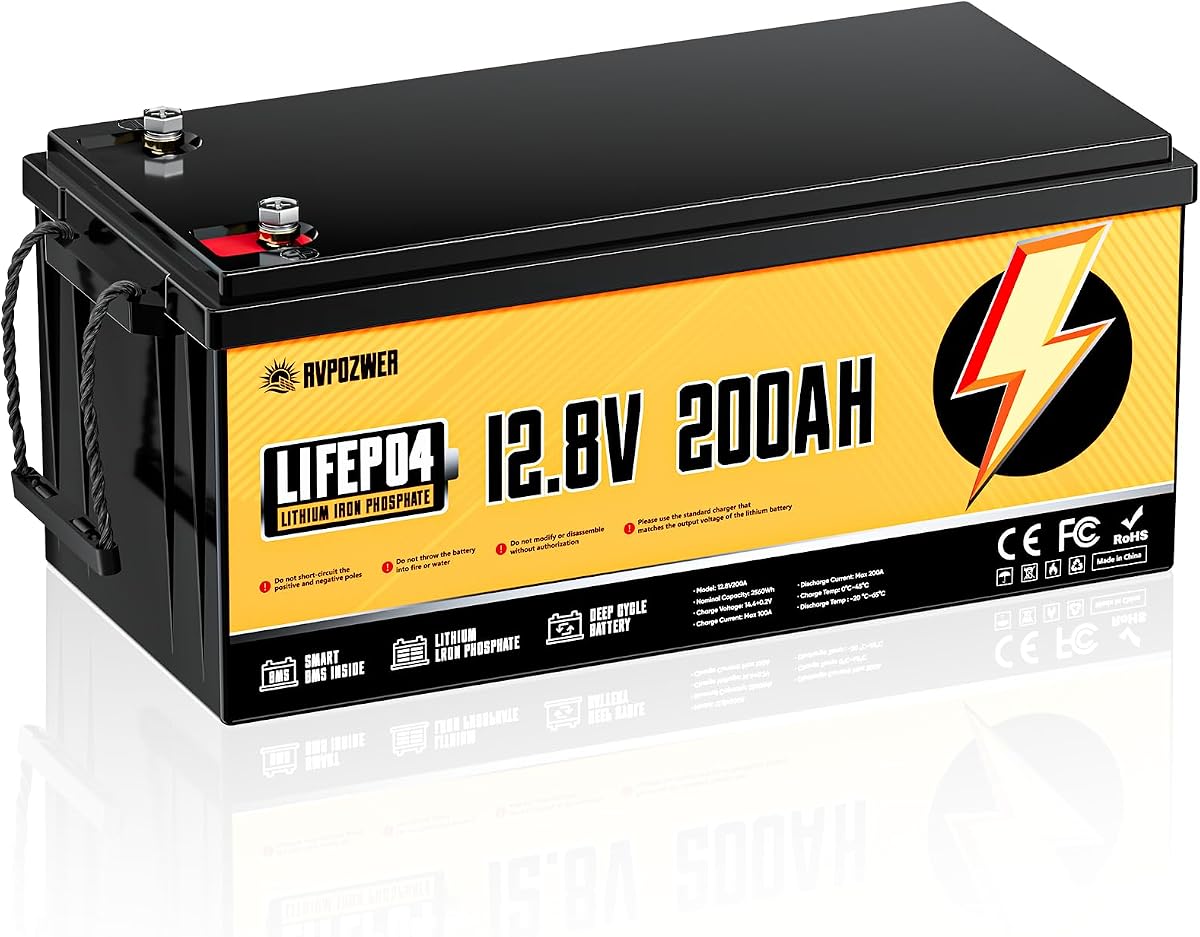


This model stands out for its exceptional longevity, offering up to 15,000 cycles at partial depth of discharge. It is engineered for users who need reliable, long-term power without frequent replacements.
We may earn a commission when you buy through this link, at no additional cost to you.
The built-in 200A BMS provides comprehensive safety against overcharging and overheating. Its lightweight design makes it easy to handle and mount in tight spaces like RVs or boats.
While it is not designed for engine starting, its cycle life far exceeds traditional lead-acid batteries. The trade-off is that it requires specific care to avoid deep discharge in cold temperatures.
This battery is ideal for off-grid solar setups and recreational vehicles. We recommend it for anyone prioritizing durability and consistent performance over initial cost savings.
With up to 15,000 cycles, this battery lasts significantly longer than standard options, reducing long-term replacement costs.
The intelligent BMS monitors voltage and temperature continuously to prevent damage from electrical faults or extreme conditions.
We may earn a commission when you buy through this link, at no additional cost to you.
This unit delivers excellent value with a strong safety profile including IP65 dust and water protection. It is well-suited for outdoor installations where moisture is a concern.
We may earn a commission when you buy through this link, at no additional cost to you.
The low-temperature cutoff ensures safe charging in cold weather, preventing damage to the cells. Users also benefit from a five-year warranty that adds peace of mind.
While it may not have the lightest weight, its robustness and protective features make it a practical choice. The standard BMS provides reliable basic protection for most needs.
We suggest this battery for campers and boat owners who need reliable power without breaking the bank. It balances cost and durability effectively.
The IP65 rating ensures the battery can withstand dust and low-pressure water jets, making it suitable for outdoor environments.
Built-in low-temperature cutoff prevents charging below freezing, protecting the battery from irreversible lithium plating damage.
We may earn a commission when you buy through this link, at no additional cost to you.
This model offers premium features such as a 250A BMS and fast charging capabilities. It is designed for users who demand high performance and flexibility from their power systems.
We may earn a commission when you buy through this link, at no additional cost to you.
The rapid recharge time allows for quick energy replenishment via solar or generator sources. Its lightweight construction makes it easy to install in mobile applications.
Although it is priced higher, the extended temperature range and fast charge times justify the investment. Users should ensure their charging equipment is compatible to avoid issues.
We recommend this battery for off-grid cabins and RV setups where charging speed is critical. It is a top choice for those willing to pay for advanced capabilities.
The battery can be fully recharged in roughly 3.33 hours, significantly reducing downtime compared to standard lithium options.
Safe operation between negative 4 degrees and 140 degrees Fahrenheit ensures reliability in diverse climates.
We may earn a commission when you buy through this link, at no additional cost to you.
This battery features a built-in Bluetooth module that allows for real-time monitoring of voltage and temperature via smartphone. This convenience eliminates the need for extra hardware or displays.
We may earn a commission when you buy through this link, at no additional cost to you.
The IP65 waterproof rating ensures durability in harsh conditions, while the smart BMS protects against common electrical faults. It offers a robust solution for mobile power needs.
While its cycle count is lower than some competitors, its reliability and monitoring features are highly praised. It is an excellent choice for tech-savvy users who want visibility.
We suggest this model for RV and van life enthusiasts who value monitoring tools. It provides a balance of performance and convenience.
The integrated module connects to a free app for easy tracking of battery status without additional sensors or wiring.
We may earn a commission when you buy through this link, at no additional cost to you.
This battery is engineered for scalability, allowing up to four units to be connected in series or parallel. This makes it ideal for users planning to expand their power systems over time.
We may earn a commission when you buy through this link, at no additional cost to you.
It features a robust BMS and lifetime technical support, ensuring help is available if issues arise. The cells are graded A-quality, promising stable energy density.
While it lacks some advanced features like Bluetooth monitoring, its expandability and support make it a solid choice. Users should note that consistent use is recommended to maintain health.
We recommend this for off-grid home backup systems where future expansion is planned. It is a reliable option for those needing large capacity banks.
Connecting multiple units allows for higher voltage or capacity configurations to meet growing power demands efficiently.
We may earn a commission when you buy through this link, at no additional cost to you.
The Mini Size design fits into tight spaces where standard 200Ah batteries cannot go. This makes it perfect for smaller RVs or boats with limited storage compartments.
We may earn a commission when you buy through this link, at no additional cost to you.
It offers a high peak discharge rate and low-temperature protection for safe operation in cold weather. The 200A BMS ensures reliable protection against electrical faults.
While it is more expensive, the compact design and strong brand support justify the cost for many users. It is a premium option for space-constrained applications.
We suggest this for small mobile setups where space is at a premium. It delivers high performance in a significantly reduced package.
Its mini footprint is one third smaller than standard 200Ah batteries, allowing installation in tight compartments.
We may earn a commission when you buy through this link, at no additional cost to you.
This battery includes an LED meter on the top for easy visual monitoring of charge levels. It is designed as a group 22NF replacement for small boats or trolling motors.
We may earn a commission when you buy through this link, at no additional cost to you.
With a ten-year warranty commitment, the manufacturer stands behind its product quality. The cells are premium grade, ensuring reliable performance over time.
However, the maximum continuous discharge is limited to 100A, which may not suit high-power appliances. Users should verify their load requirements before purchasing.
We recommend this for smaller boats or light RV loads where visual monitoring is appreciated. It is a solid budget-friendly option with good durability.
The LED meter displays state of charge at a glance without needing phones or wires for tracking.
We may earn a commission when you buy through this link, at no additional cost to you.
This battery is designed with salt-spray protection, making it highly suitable for marine environments where corrosion is a major concern. It offers a high energy density for efficient power storage.
We may earn a commission when you buy through this link, at no additional cost to you.
The model supports expansion to large capacities for off-grid needs. It is built for long-term use with a ten-year service life promise from the manufacturer.
Users should note that it lacks a low-temperature cutoff, which may limit winter use in freezing conditions. This is a trade-off for its robust marine-grade protection.
We suggest this for boat owners and trailer users living in coastal areas. It provides excellent durability against saltwater exposure.
The battery resists salt spray and moisture, ensuring longer life on boats and coastal setups.
We may earn a commission when you buy through this link, at no additional cost to you.
This battery allows for up to six units in series or parallel, enabling unique voltage configurations like 60V or 72V systems. It is suited for specialized DIY power walls.
We may earn a commission when you buy through this link, at no additional cost to you.
The 150A BMS provides reliable protection for standard loads. Its compact design helps save space in limited installations.
While it offers great flexibility, the discharge current is lower than some competitors. Users with high-current needs should check compatibility carefully.
We recommend this for hobbyists building custom battery banks with specific voltage requirements. It offers versatile options at a reasonable cost.
Supporting up to 6S connections allows for high-voltage setups suitable for specialized energy storage needs.
We may earn a commission when you buy through this link, at no additional cost to you.
This unit stands out with its metal case providing enhanced fire safety and shock resistance. The built-in safety switch allows for easy isolation of power for maintenance.
We may earn a commission when you buy through this link, at no additional cost to you.
Bluetooth monitoring ensures you can track performance remotely, while the rugged casing protects against physical damage. It is ideal for rough environments like off-road vehicles.
Although it is a 280Ah model rather than 200Ah, its safety features justify the consideration for power-conscious users. The casing does add weight to the unit.
We recommend this for users needing maximum physical protection and safety features. It is a robust choice for demanding mobile applications.
The metal enclosure and safety switch provide physical protection and easy power isolation for maintenance tasks.
We may earn a commission when you buy through this link, at no additional cost to you.
Choosing the right battery involves understanding several technical factors that impact performance, safety, and longevity in your specific application.
Cycle life indicates how many times a battery can be charged and discharged before capacity drops significantly. For a 200Ah LiFePO4 battery, look for models rated at 4,000 cycles or more at full depth of discharge to ensure long-term value.
Prioritize batteries with high cycle counts to minimize replacement costs and downtime over the years of use.
A robust BMS is critical for safety, preventing overcharging, overheating, and short circuits. Models with higher amperage BMS protection are better suited for high-power applications like inverters or motors.
Ensure the BMS includes features like low-temperature cutoff if you plan to operate in cold climates.
Batteries perform differently in extreme heat or cold. Look for models with built-in low-temperature cutoff to prevent damage during winter charging, as lithium cells can plate irreversibly if charged while frozen.
Check the operating range to ensure it matches your local climate conditions.
200Ah LiFePO4 batteries are significantly lighter than lead-acid equivalents, often weighing around 50 pounds. However, sizes vary slightly; ensure dimensions fit your existing compartment or rack space.
Consider the weight if you are installing in mobile applications like boats where payload matters.
If you plan to scale your power system, choose a battery that supports series and parallel connections. Some models allow for 4S4P configurations to reach higher voltages or capacities.
Verify compatibility between units if you plan to mix models for expansion to ensure synchronized performance.
Modern batteries often include Bluetooth modules or physical LED displays for monitoring voltage and charge levels. Bluetooth offers convenient tracking via smartphones, while physical meters provide immediate visual feedback.
Decide which interface suits your workflow and if you need advanced data logging capabilities.
Reputable manufacturers offer warranties ranging from 5 to 10 years. Always check the terms regarding customer support and claims processing to ensure you have recourse if issues arise.
A solid warranty indicates confidence in product quality and reduces long-term risk.
Not all batteries are designed for the same use cases. Ensure the model is rated for deep-cycle use and not intended for engine starting, as this can void warranties and damage the battery.
Match the battery's discharge capabilities to your highest expected load requirements.
Always use a charger specifically designed for LiFePO4 chemistry to ensure correct voltage settings and safe charging cycles. Avoid using chargers designed for lead-acid batteries as they may damage the cells.
Store the battery at a partial charge if you plan to leave it unused for extended periods to maintain cell health. Recharge it at least once every six months to prevent degradation from self-discharge.
Install the battery in a cool, dry place away from direct sunlight and extreme temperatures. If used in a vehicle, secure it firmly to prevent vibration damage and ensure connections are tight to avoid heat buildup.
Generally, these batteries are designed for deep-cycle applications and not for high-current engine starting. Using them as starter batteries can damage the internal cells and void the warranty. It is safer to use a dedicated starting battery or a hybrid battery designed for both functions.
To expand capacity, connect batteries in parallel so the voltages remain the same while amperage adds up. For higher voltage systems, connect them in series. Ensure all batteries are the same model and have compatible BMS systems to avoid balancing issues.
Most modern LiFePO4 batteries have low-temperature protection that stops charging when the temperature is too low to prevent lithium plating. However, discharging is still possible. Using an external heating pad or insulated box can help maintain safe temperatures in winter.
Many models include built-in Bluetooth or LED displays for monitoring, so a separate monitor may not be necessary. If you require detailed data logging, you can add external shunts or dedicated displays that integrate with your system.
Charging time depends on your charger's amperage. A 100A charger can recharge the battery in about two hours, while a 40A charger may take five to six hours. Fast charging is possible if the BMS supports higher input currents.
Yes, provided it is an IP65 rated model designed for marine environments. These batteries resist salt spray and moisture, but they should still be secured properly to prevent movement and corrosion over time.
We have reviewed ten top-rated batteries suitable for a variety of needs from budget-conscious buyers to those seeking premium features. Each model offers unique strengths in terms of cycle life, safety, and size.
When making your decision, prioritize the features that matter most for your application such as low-temperature protection for winter camping or high cycle counts for daily off-grid use.
Remember that prices and availability change frequently, so check current listings and warranty terms before purchasing to ensure you get the best value for your investment today.