
Joyreal AAC Device 6 Buttons
4.4Editor score
24 pre-installed talking buttons
6 programmable voice buttons
Lightweight with storage bag
This guide compares the top Acc Device for Autism Non Verbal Communication options available today for nonverbal needs.
Finding the right communication support can transform daily life for individuals with speech challenges. We focus on tools that offer ease of use and clear output. These devices help bridge gaps in understanding and expression effectively.
Our team evaluated a wide range of assistive technology options on the market. We looked at button count, voice clarity, portability, and customization features. Each product was assessed for its potential to support genuine interaction and daily function.
This list highlights the most reliable options currently available to users. Each pick shows key strengths and ideal use cases for different needs. Please note that availability and pricing details may change frequently online.
4.4Editor score
4.4Editor score

4.4Editor score
The following table provides a side-by-side comparison of all ten products reviewed in this guide. Each row highlights core specifications to help you quickly identify the right fit for specific communication needs and preferences.



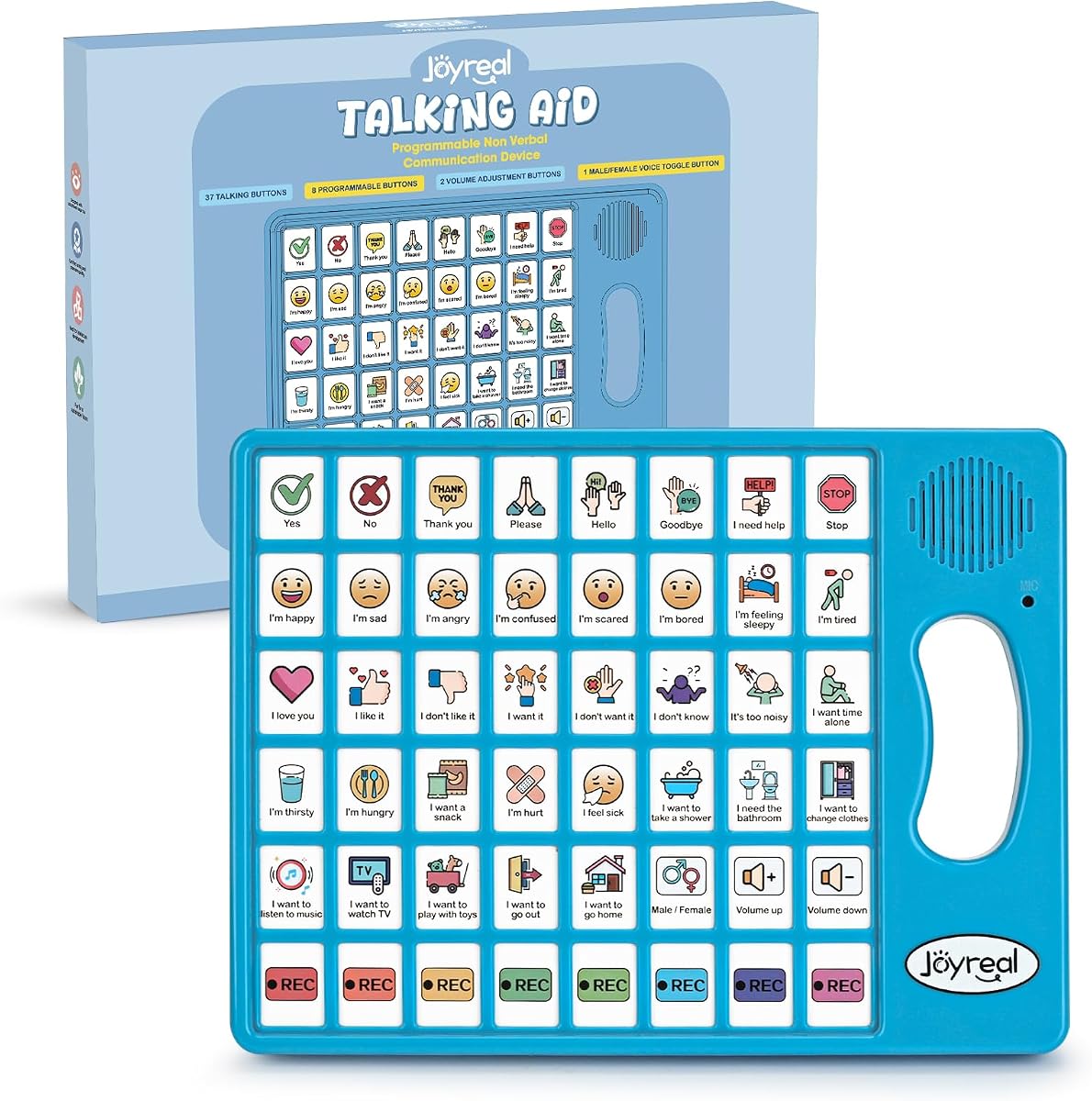
This device stands out as a top choice for nonverbal communication needs. It holds a strong rating and offers a high number of pre-installed buttons. The ability to switch voices adds a personal touch that users often appreciate.
We may earn a commission when you buy through this link, at no additional cost to you.
The 37 talking buttons cover essential daily instructions like thirsty or sleepy. Programmable buttons allow caregivers to record specific messages. This flexibility ensures the device adapts to the user environment specific routine.
While the device requires batteries and has a setup phase, these are minor trade-offs. The volume adjustment ensures clarity in noisy environments. It provides a robust alternative to static communication cards.
Ideal for individuals needing versatile speech support at home or school. We recommend this for those prioritizing button count and voice flexibility. It serves as a reliable tool for building communication skills effectively.
The layout supports quick access to common needs without confusion.
Switching voices helps users feel more connected to the device output.
We may earn a commission when you buy through this link, at no additional cost to you.
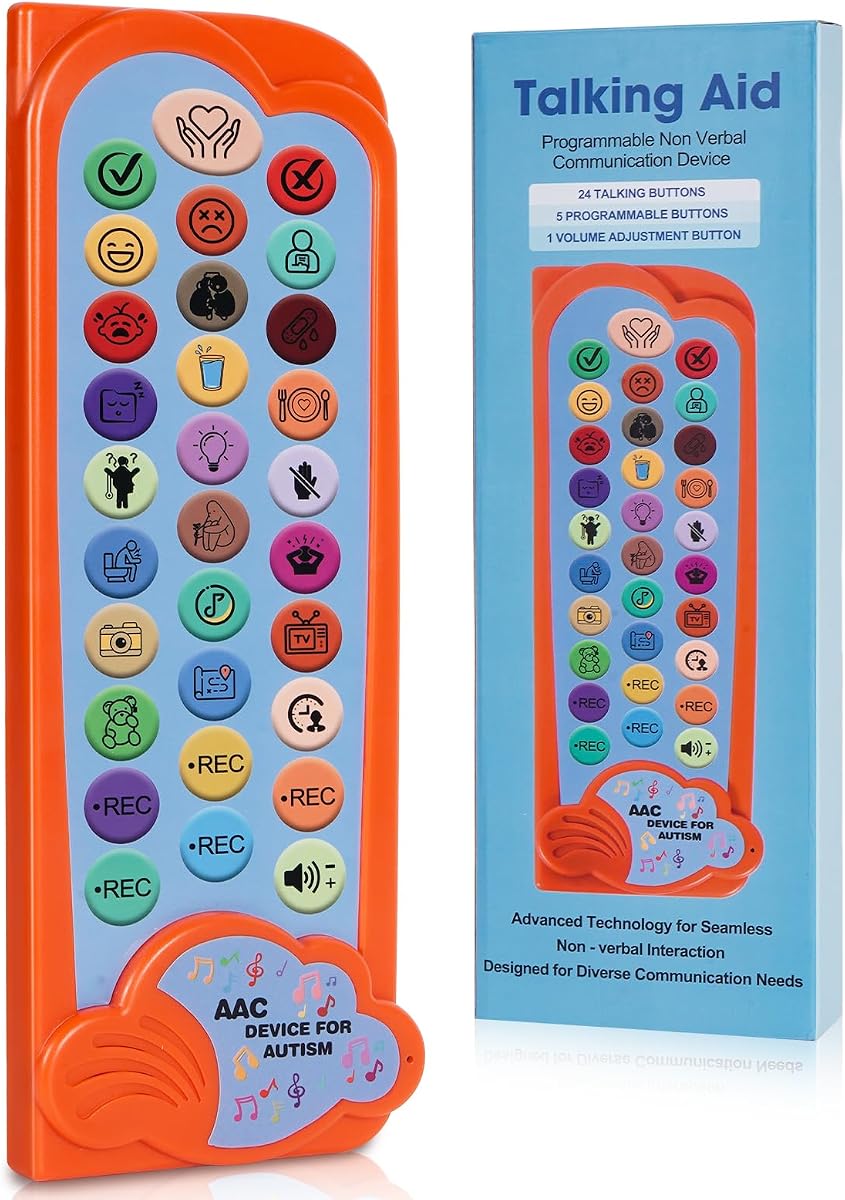
This model offers excellent value for those seeking a simple communication aid. It features 24 pre-installed buttons that cover basic needs effectively. The rating reflects high satisfaction among users who prioritize ease of use.
We may earn a commission when you buy through this link, at no additional cost to you.
Six programmable buttons allow for tailored instructions from family members. The adjustable volume helps ensure the device is heard in busy areas. It is lightweight, making it easy to carry in a bag.
Users may find the number of buttons less than other models. However, the core functionality remains strong for daily interactions. The included storage bag helps keep everything organized during travel.
Best suited for users who need a straightforward and reliable tool. We recommend this for families looking for an accessible starting point. It balances cost and functionality well for general needs.
Simple interface reduces confusion for new users starting out.
Lightweight build allows for easy transport throughout the day.
We may earn a commission when you buy through this link, at no additional cost to you.
This communication board is designed to equip children with functional skills. It includes four vibrant modules covering expressions, emotions, and personal needs. The 40 pre-installed phrases make daily interaction intuitive and straightforward.
We may earn a commission when you buy through this link, at no additional cost to you.
Five programmable buttons let users record specific messages. Editable stickers help prevent forgetting what was recorded. The device comes with guides to assist in accurate word expression.
While it requires setup time, the structured approach supports learning. The voice switch offers flexibility for different users. It stands out as a comprehensive tool for complex needs.
Ideal for users who need organized categories for communication. We recommend this for those seeking a more advanced system. It helps build confidence through structured interaction support.
Grouping phrases by topic aids quicker learning and retrieval.
Included guides provide extra help for accurate expression.
We may earn a commission when you buy through this link, at no additional cost to you.
This device is noted for its ergonomic and portable design. It fits comfortably in children hands with raised buttons for easy pressing. The rating suggests high user satisfaction with its physical build and usability.
We may earn a commission when you buy through this link, at no additional cost to you.
Twenty commonly used voice commands are pre-installed. The lanyard hole and spring lanyard ensure it is always accessible. It is designed to reduce loss risk during spontaneous communication moments.
The raised buttons facilitate interaction compared to flat alternatives. However, the number of recording keys is limited. Textured areas add comfort during use and stress relief.
Best for users needing a compact tool for daily carry. We recommend this for those who value physical design. It supports independence and spontaneous communication well.
The shape fits well in smaller hands for easy handling.
The lanyard ensures the device is always nearby for use.
We may earn a commission when you buy through this link, at no additional cost to you.
Brightway offers a simple device designed for nonverbal users. With 60 total buttons, it provides more phrases than typical starter devices. The rating indicates room for improvement in user satisfaction.
We may earn a commission when you buy through this link, at no additional cost to you.
Ten programmable buttons allow for personalized messages in a familiar voice. The large buttons require minimal pressure, aiding users with limited motor skills. It ensures clear sound across different environments.
While the button count is high, the bulk may be an issue. The voice switch offers flexibility for different needs. It serves as a functional tool for daily messages.
Ideal for users needing extensive phrase options. We recommend this for those prioritizing capacity. It supports expression at home and school effectively.
Responsive buttons make interaction easier for users with motor limitations.
High button count supports complex daily needs without extra gear.
We may earn a commission when you buy through this link, at no additional cost to you.
This tool is engineered to help express needs and desires simply. It features 14 pre-installed instructions in a clear format. The rating suggests solid performance for basic communication tasks.
We may earn a commission when you buy through this link, at no additional cost to you.
Two programmable buttons allow custom instructions from caregivers. The small size makes it convenient for communication on the go. It is durable enough for use in different settings.
While the number of buttons is limited, it covers essentials. The lightweight design supports autonomy in daily environments. It is a straightforward alternative to communication cards.
Best for users needing a portable and basic tool. We recommend this for travelers. It supports independence in various environments effectively.
Compact design ensures the device fits in any bag easily.
Core buttons cover fundamental requirements like yes or no.
We may earn a commission when you buy through this link, at no additional cost to you.
This device features a soft touch layout that minimizes the learning curve. It is suitable for a wide range of individuals including those with autism. The high rating reflects strong user satisfaction.
We may earn a commission when you buy through this link, at no additional cost to you.
Preprogrammed commands allow for quick use in most situations. The travel bag makes it convenient for communication on the go. It helps parents and caregivers communicate effectively with loved ones.
While specific button details are limited, the ease of use is clear. It reduces anxiety by providing reliable voice output. The design supports daily interactions well.
Ideal for users prioritizing ease of learning. We recommend this for home and school use. It serves as a simple and effective tool.
Simple layout helps users start communicating quickly without confusion.
Bag inclusion ensures the device stays safe during transport.
We may earn a commission when you buy through this link, at no additional cost to you.
This device offers essential instructions in a picture and color format. The 23 talking buttons cover daily needs effectively. It shares features with similar models like the voice switch.
We may earn a commission when you buy through this link, at no additional cost to you.
Six programmable buttons allow for tailored voice instructions. The device is lightweight and has a storage bag for travel. Adjusting volume ensures clear sound in any scenario.
Users should note it requires three AAA batteries. The setup is straightforward for most caregivers. It provides a convenient alternative to static cards.
Best for users who need a standard reliable device. We recommend this for general communication support. It helps build confidence through consistent use.
Adjustable volume allows for use in quiet or loud areas.
Programmable buttons let you add familiar voices for connection.
We may earn a commission when you buy through this link, at no additional cost to you.
This tool features 24 easy-to-understand talking buttons with vivid icons. It allows instant expression of core needs like thirsty or too hot. The rating indicates high satisfaction among users.
We may earn a commission when you buy through this link, at no additional cost to you.
Five custom voice buttons let users record phrases in familiar voices. This builds confidence for nonverbal children and autism users. The device is lighter than a smartphone for easy travel.
Three volume levels ensure sound is heard in noisy classrooms. It aids speech needs beyond standard boards. It empowers expression at home and school.
Ideal for users needing personalized voice output. We recommend this for reducing frustration. It fosters independence and emotional bonds.
Recording familiar voices helps create a stronger connection for users.
Vivid icons make it easier to find the right button.
We may earn a commission when you buy through this link, at no additional cost to you.
This device features a soft touch layout that minimizes learning time. It is versatile for caregivers working with nonverbal individuals. The rating reflects positive feedback on its simplicity.
We may earn a commission when you buy through this link, at no additional cost to you.
Preprogrammed commands include common phrases and sentences. The stylish travel bag makes it convenient for school or therapy. It is lightweight and easy to pack on the go.
While details are minimal, the focus is on ease of use. It supports communication for those with special needs. The design helps prevent user fatigue during interactions.
Best for users seeking straightforward communication aid. We recommend this for home and school use. It serves as an effective tool for daily needs.
Simple layout helps users start communicating quickly.
Bag ensures the device stays safe during travel.
We may earn a commission when you buy through this link, at no additional cost to you.
Choosing the right communication aid involves evaluating several key factors. Consider button count, customization options, and portability to match the user needs.
The number of buttons directly impacts how many distinct messages can be conveyed. Devices with more buttons offer greater flexibility for complex needs but may be harder to learn. Fewer buttons are simpler but may limit expression options over time.
Select a button count that balances current needs with potential future growth.
Some devices allow you to record custom messages using familiar voices. This personalization can significantly improve connection and comfort for users who prefer hearing family members over synthetic voices. Check if the device supports voice recording and how many slots are available.
Look for models that support multiple programmable buttons for maximum flexibility.
For users who move between rooms or schools, a lightweight device is essential. Portable tools often include bags or lanyards to prevent loss during daily activities. Heavier units might be better for stationary use but can be cumbersome to carry.
Prioritize lightweight options if the device will be used on the go frequently.
Clear sound is critical for communication to be effective in noisy environments. Devices with adjustable volume settings allow you to tailor the output to the setting. This feature ensures the user is heard without being too loud in quiet spaces.
Ensure the device has at least two or three volume levels for versatility.
The layout should be intuitive to minimize frustration and learning time. Soft touch or raised buttons can help users with motor limitations press more easily. A simple design reduces cognitive load for both the user and the caregiver.
Choose models with clear, easy-to-press buttons for the best experience.
Most devices run on standard AAA batteries, which are easy to replace. Consider how long the battery lasts during typical use to avoid unexpected shutdowns. Some models may have specific battery requirements that affect long-term costs.
Check battery life and availability to ensure consistent device availability.
Accidental drops and bumps are common when devices are carried around. Look for products with rounded edges and sturdy construction to withstand daily wear. Durability ensures the device remains functional for a longer period.
Select a robust design that can handle active daily use without damage.
Items like travel bags, lanyards, or stickers add value to the purchase. These accessories help organize the device and keep it accessible when needed. Accessories can also aid in customization and identification of buttons.
Look for packages that include useful extras to support consistent use.
First, insert the required batteries and ensure the volume is set to a level where the sound is audible but not overwhelming. Place the device in an accessible location so the user can reach it easily whenever they need to express a need.
Second, take time to program the custom buttons with short, clear messages that match the user specific daily routine. This step helps create a personalized experience that feels familiar and encourages consistent interaction throughout the day.
Third, store the device in its travel bag when not in use to protect it from dust and damage. Regularly clean the buttons with a soft cloth to maintain responsiveness and extend the life of the device.
Most standalone AAC devices operate offline and do not require internet access. They rely on pre-installed voice files and local recording capabilities. This ensures reliability even in areas with poor connectivity.
Yes, many models feature programmable buttons that allow you to record your own voice. This customization helps users connect better with familiar voices during communication. Check the product details for specific recording capabilities.
These tools are often designed for a wide range of needs including stroke rehabilitation. They help with express essential needs when speech is difficult. Consult with a therapist for specific recommendations.
Battery life varies by usage but generally lasts several weeks with daily use. Devices powered by AAA batteries are easy to replace when needed. Heavy use may require more frequent battery changes.
Warranty terms depend on the specific manufacturer and retailer. Many products come with a limited warranty covering defects. Check the product page or seller policy for exact details.
Yes, these devices are suitable for both children and adults with speech challenges. The design focuses on clear communication and ease of use for any age. They are often used in adult therapy settings.
Use a soft, slightly damp cloth to wipe down the buttons and surface. Avoid using harsh chemicals or submerging the device in water. Regular cleaning keeps the device functional and hygienic.
AAC devices provide voice output while PECs are picture cards requiring a partner to speak. AAC allows for independent communication which can boost confidence and speed. Both have their place depending on user needs.
We have reviewed ten top options to help you find the right support. The Joyreal devices offer strong features while the Subao provides portability. Each model serves different needs effectively.
Prioritize features that match the daily life of the user. Consider voice customization, button count, and ease of use. These factors impact how well the device supports communication.
Always check current availability and pricing before making a purchase. Details may change over time as models are updated. Ensure the device meets your specific requirements at the time of buying.