
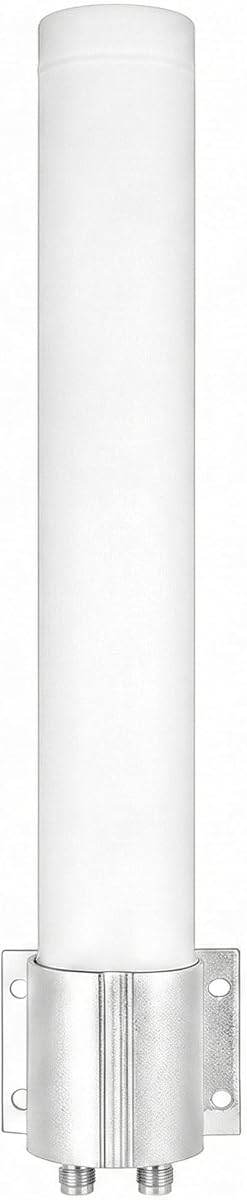
Eifagur 9dBi Long Range Dual Band
4.7Editor score
Affordable price point
Outdoor ready construction
High gain signal boost
This guide compares the top 10 marine WiFi antennas for boats and coastal use. We evaluate range, durability, and connectivity to help you stay online at sea.
Staying connected on the water requires reliable hardware designed to withstand harsh conditions. A marine WiFi antenna extends your internet range significantly. Choosing the right model ensures stable signals even far from shore or in dense coastal areas.
We compared ten top-rated antennas based on gain, weather resistance, and compatibility with common marine routers. Each product was selected for its ability to handle salt spray and UV exposure. Our analysis focuses on performance in real-world boating scenarios and remote locations.
Every pick highlights unique strengths like dual-band support or rugged construction. You will find options for budget-conscious buyers and premium setups. Please note that specific pricing fluctuates over time so check current listings before purchasing your next upgrade.
4.7Editor score

5.0Editor score
The following table offers a side-by-side view of the top marine WiFi antennas available today. We highlight key specifications and features to help you compare models quickly and find the best fit for your vessel or remote setup.


The Poynting Omni-496 stands out as the top choice for serious boaters seeking reliable connectivity. With a perfect rating from users, it delivers exceptional performance in coastal environments. Its dual-band support covers both standard and emerging Wi-Fi standards effectively.
We may earn a commission when you buy through this link, at no additional cost to you.
This antenna features a robust design that handles salt spray and UV exposure without degradation. The 8 dBi gain ensures signals reach further than standard options. It is compliant with IEEE 802.11 standards and fits marine mounts easily.
While the cost is higher than basic models, the durability justifies the investment. It requires proper cabling to maximize performance. The N-Type connector is standard for marine gear making integration straightforward.
Boaters who demand consistent high-speed internet should choose this model. It excels in remote areas where signal strength is critical. For those willing to invest in quality hardware this is the best available option today.
Supports Wi-Fi 6e and 7 ensuring your setup stays relevant as networks evolve.
Built to MIL-STD standards with IP68 rating for total protection against water ingress.
We may earn a commission when you buy through this link, at no additional cost to you.
Designed for off-grid and remote office setups this antenna delivers reliable performance where others fail. Users report consistent speeds even in challenging terrain. Its focus on SINR optimization makes it ideal for stable video calls.
We may earn a commission when you buy through this link, at no additional cost to you.
The VSWR specification minimizes signal loss improving efficiency significantly. It supports multiple devices simultaneously without lag. Construction uses UV-resistant architectural fiberglass to withstand harsh elements over time.
Installation requires quality cables to unlock full potential. The packaging includes necessary mounting hardware for pole attachment. It works well with enterprise gateways like Cradlepoint.
Professionals and remote workers need a reliable connection for daily tasks. This antenna provides that stability even in valleys or forests. If budget allows this is a top-tier solution for demanding applications.
Engineered to bypass structural interference for stable connectivity in isolated locations.
Dual connectors allow for maximum data rates and reduced interference on busy networks.
We may earn a commission when you buy through this link, at no additional cost to you.
This cost-effective option brings trusted Poynting engineering to boaters on a budget. It covers essential Wi-Fi and LTE bands effectively. The design is robust enough for daily coastal exposure.
We may earn a commission when you buy through this link, at no additional cost to you.
Its omni-directional pattern simplifies alignment on moving boats. IP68 protection ensures longevity against salt and rain. It fits standard marine mounts with minimal modification needed.
While it lacks some advanced features of the higher model it performs well for general use. You may need to buy a mounting bracket separately. Performance remains solid for typical internet browsing.
Boaters seeking reliability without high cost will appreciate this choice. It handles marine conditions better than generic plastic antennas. A strong contender for those entering the hobby or upgrading older gear.
Offers professional weather resistance at a more accessible price point for most users.
Covers LTE bands allowing flexible use with cellular hotspots alongside standard Wi-Fi.
We may earn a commission when you buy through this link, at no additional cost to you.
This antenna integrates cellular Wi-Fi and GPS into a single low-profile unit. It is ideal for installations where deck space is limited. The puck design blends well with vessel aesthetics.
We may earn a commission when you buy through this link, at no additional cost to you.
Through hole mounting provides a secure fixed position. Included leads are convenient for short runs to routers. It handles weather well thanks to outdoor rating.
Performance depends on the underlying router capabilities. Cable length restricts positioning options somewhat. It is best for smaller boats or tight installations.
Boaters needing a neat solution for multiple signals will like this. It reduces clutter significantly. For simple setups this offers a practical and space-saving option.
Saves space by combining multiple antenna functions into one compact puck unit.
Through hole style ensures a solid fit with minimal drilling needed on deck.
We may earn a commission when you buy through this link, at no additional cost to you.
Fiberglass construction makes this unit light and durable for outdoor use. It delivers a solid gain boost for extended range. Setup is straightforward for anyone with basic tools.
We may earn a commission when you buy through this link, at no additional cost to you.
The integrated connector simplifies wiring. Weatherproofing protects the internals from rain. It works well with standard outdoor routers and access points.
Cable must be purchased separately which adds to cost. Connector is N-Female so ensure compatibility. It is a good generic option for quick upgrades.
Boaters looking for simple range extension without complex tech should choose this. It balances price and performance well. A practical choice for small to medium vessels.
Lightweight build allows mounting on poles or rails without heavy support needed.
9 dBi gain provides noticeable improvement over stock router antennas.
We may earn a commission when you buy through this link, at no additional cost to you.
This unit targets enterprise and safety applications with heavy-duty build. It works across multiple carriers and technologies including 5G. Ideal for remote offices or industrial marine use.
We may earn a commission when you buy through this link, at no additional cost to you.
ABS housing resists impact and harsh weather. Mounting bracket allows flexible positioning on poles. Leads are short so plan routing carefully.
It is a reliable choice for critical connections. The design prioritizes function and strength over style. Best for users needing stability for critical data.
Professionals requiring consistent uptime will find this suitable. It handles vibration and weather well. A solid option for those valuing rugged performance.
Injection molded ABS ensures the antenna survives impacts and tough conditions.
Works with various carriers allowing flexible network selection based on signal.
We may earn a commission when you buy through this link, at no additional cost to you.
These small antennas offer a cheap way to upgrade signal. They work with many standard devices and adapters. The pair is useful for MIMO setups.
We may earn a commission when you buy through this link, at no additional cost to you.
Easy to install directly into compatible ports. However they lack waterproofing for outdoor exposure. Best used inside or protected areas.
Gain is low so don't expect huge range boost. They are great for improving weak indoor signals. Cost is minimal compared to other options.
Boaters on a tight budget or needing indoor coverage may find this useful. They are not for direct marine use. A simple fix for minor connectivity tweaks.
Provides a basic signal boost without significant investment or complex setup.
Works with many consumer routers and adapters common on recreational boats.
We may earn a commission when you buy through this link, at no additional cost to you.
This antenna merges LTE and dual band Wi-Fi into one unit. It targets IoT and remote router users. Waterproofing ensures it can handle outdoor mounting.
We may earn a commission when you buy through this link, at no additional cost to you.
Supports many global LTE frequencies. Compatible with common routers like Teltonika. Connectors are specific so check your device ports.
Cables are short limiting placement options. Ratings vary so check recent feedback. Best for specific router setups.
Users needing both signals on a small boat might find this useful. It reduces cabling clutter. Ensure your router supports the connector types before buying.
Simplifies wiring by handling cellular and Wi-Fi signals in one roof mount.
Wide frequency range supports international use for travelers on the water.
We may earn a commission when you buy through this link, at no additional cost to you.
This model offers strong gain for a low cost. It is built for outdoor conditions and range extension. Users find it effective for security cameras and routers.
We may earn a commission when you buy through this link, at no additional cost to you.
Dual band compatibility covers common Wi-Fi needs. It is easy to install on poles or walls. Weather resistance keeps it safe from rain.
Quality may not match premium brands but performance is solid. Hardware is basic so consider extra clamps. Good for budget upgrades.
Boaters needing more range without spending much will like this. It works well with standard routers. A practical pick for general outdoor networks.
9dBi gain extends coverage area significantly for weak signals.
Delivers good performance for the price making it a smart budget choice.
We may earn a commission when you buy through this link, at no additional cost to you.
This antenna focuses on safety and weather alerts. It covers VHF marine bands and NOAA weather. Essential for communication and emergency info.
We may earn a commission when you buy through this link, at no additional cost to you.
Fiberglass construction resists corrosion and UV. Ratchet mount allows easy folding for clearance. Connector is standard PL259 for marine radios.
It is not for internet but crucial for safety. The cable is long for easy routing. Reliable for daily communication needs.
Boaters should ensure they have safe comms even if online. This complements Wi-Fi gear well. An important addition for any vessel.
Ensures you receive critical weather and distress signals at all times.
Universal connector fits most standard marine VHF radios easily.
We may earn a commission when you buy through this link, at no additional cost to you.
Selecting the right marine WiFi antenna depends on several factors. This guide covers key considerations to help you find the perfect match for your boat or remote setup.
Gain measured in dBi indicates how well the antenna focuses signal energy. Higher gain helps reach distant networks but requires careful aiming. For moving boats omni-directional models are best.
Choose at least 8dBi for serious range extension beyond local networks.
Dual band support covers 2.4 GHz and 5 GHz frequencies. This ensures compatibility with modern routers and extends flexibility. Some models include cellular bands too.
Look for Wi-Fi 6 or 6e support if possible.
Marine environments are harsh with salt and moisture. Look for IP67 or IP68 ratings to ensure durability. Fiberglass is better than plastic for longevity.
Ensure the antenna is rated for outdoor use before purchasing.
Check your router or hotspot ports before buying. Common types include N-Type, SMA, or RP-SMA. Matching connectors avoid the need for adapters.
Mismatched connectors can cause signal loss.
Mounting should be secure and adjustable. Marine adapters often use 1-inch threads. Ratchet mounts help with bridge clearance.
Ensure the mount fits your boat deck or railing.
Materials like UV-resistant fiberglass prevent degradation. Metal hardware should be stainless steel to avoid rust. Quality builds save money long term.
Invest in robust gear for marine conditions.
Prices vary from affordable to premium. Higher models offer better gain and weatherproofing. Balance cost with your specific needs.
Basic models work for short range upgrades.
Ensure the antenna works with your existing router. MIMO models support faster data rates. Check specs for IEEE 802.11 standards.
Review router documentation for antenna requirements.
Position the antenna as high as possible for maximum signal range. Clear line of sight helps avoid interference. Use sturdy mounting hardware to prevent movement.
Inspect connections regularly for signs of corrosion. Apply marine grease to metal threads if needed. Keep coaxial cables away from heat and sharp edges.
Clean the antenna gently with fresh water to remove salt. Use a soft cloth to avoid scratches. Store properly during off-seasons to prolong life.
Yes if there is a network source within range. High gain models help reach distant coastal routers. However they cannot create internet where no signal exists.
These are different connector standards. N-Type is larger and common in marine gear. SMA is smaller and found on consumer routers. Matching your device is critical.
Use stainless steel hardware and fiberglass. Rinse with fresh water after exposure. Apply protective coatings to metal parts regularly.
Standard antennas lack marine weatherproofing. They may fail quickly in salt air. Choose specifically rated marine units for durability and safety.
Directional offers more range but requires pointing. Omni-directional is easier for moving boats. Choose based on your setup needs.
Yes low-loss coaxial cables help maintain signal. Standard USB or short cables limit range. Use marine-grade coaxial for best results.
Some marine antennas support cellular bands. Check specs for 5G compatibility. This helps with mobile hotspots.
With proper care they last many years. Check for physical damage or corrosion. Replace if performance drops significantly.
Our top picks highlight models like the Poynting Omni-496 and Pro-Gain MIMO for top performance. These offer strong gain and weatherproofing for reliable boating internet.
Prioritize weather resistance and connector compatibility when buying. A robust build ensures long term value on the water.
Prices and availability change frequently so review current listings before deciding. Choose the antenna that fits your range needs and budget best.