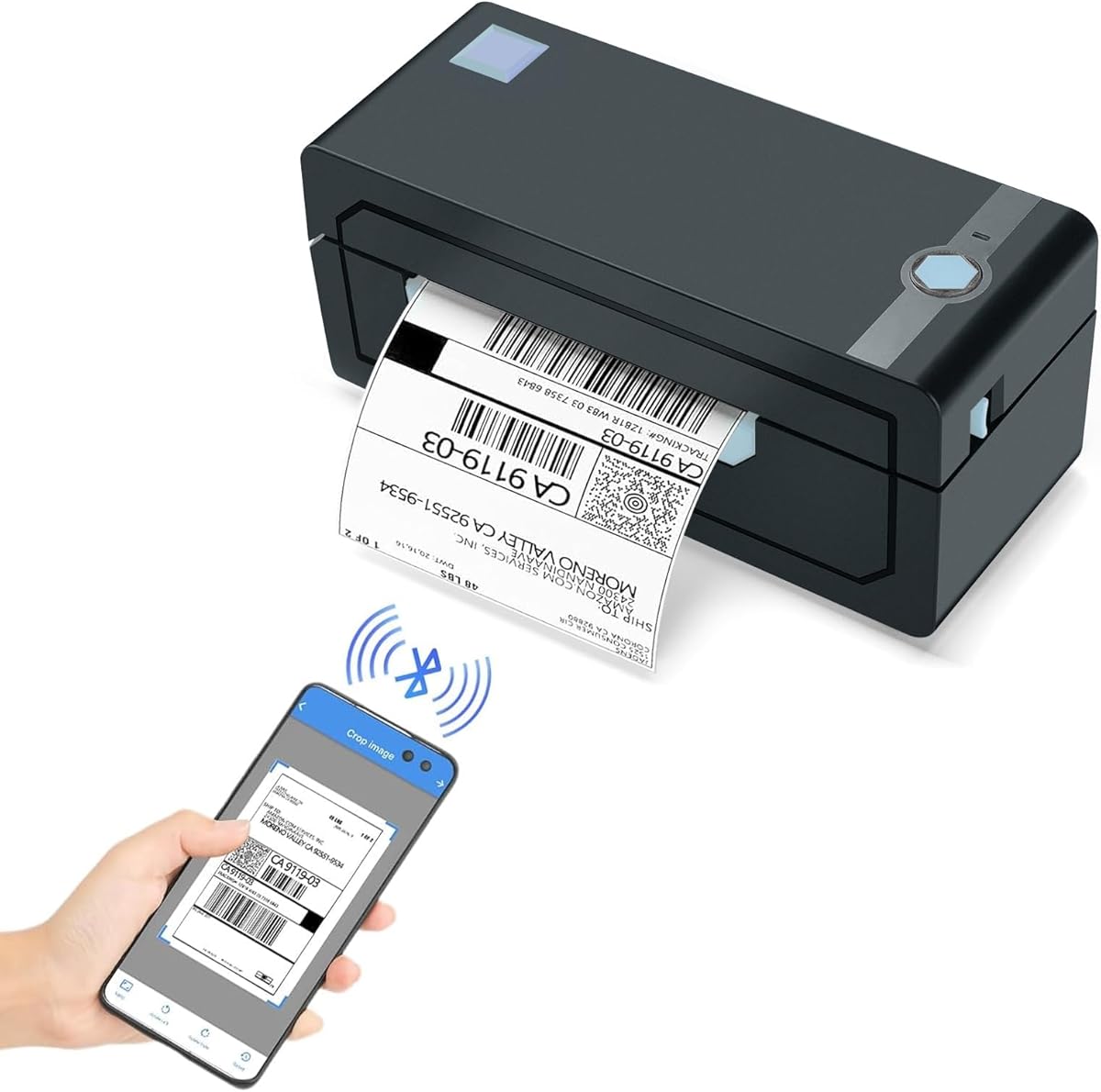
JADENS Bluetooth Thermal Shipping Label Printer
4.4Editor score
Wireless Bluetooth printing
Compact desktop design
Wide platform compatibility
Finding a reliable label printer that works seamlessly with Linux systems can be a challenge for many users. Whether you run a small business or manage home office tasks, having the right hardware ensures efficiency and accuracy in your labeling workflows.
We evaluated ten top-rated thermal and direct label printers based on their Linux driver support, connection options, and print quality. Our analysis focuses on models that offer robust open system compatibility and stable performance across various Linux distributions.
Each pick in this guide highlights specific strengths such as wireless connectivity, high-speed printing, or versatile label widths. Keep in mind that availability and pricing may change over time, so verify current details before making your final purchase decision.
4.4Editor score

4.0Editor score
4.6Editor score
As an Amazon Associate we earn from qualifying purchases.
The following table provides a side-by-side comparison of all ten selected label printers. Review the key specifications and features to determine which model aligns best with your specific Linux environment and labeling requirements.


The iDPRT SP310 stands out as a top contender for Linux users seeking a reliable thermal label printer. With a rating of 4.0 stars, it offers a balance of performance and compatibility that suits small businesses and home offices.
We may earn a commission when you buy through this link, at no additional cost to you.
Its standout quality is the dedicated Linux driver support which ensures stable connectivity without needing workarounds. The 4 inches per second print speed handles heavy tasks efficiently, while the 203 DPI resolution ensures clear scannable barcodes and text.
While the label width range is slightly narrower than some competitors, it covers most standard shipping and office needs. The open system design avoids proprietary chip limitations, reducing long-term operating costs significantly.
This model is ideal for Linux users who prioritize hardware reliability and direct connectivity. If you need a printer that integrates seamlessly with your distribution and handles inventory tasks well, the iDPRT SP310 is a strong recommendation.
Dedicated drivers ensure seamless integration with Linux systems eliminating common connectivity hurdles.
Open system design bypasses proprietary chip restrictions to reduce ongoing label supply costs.
We may earn a commission when you buy through this link, at no additional cost to you.
The JADENS Bluetooth Thermal Shipping Label Printer offers an accessible entry point for Linux users needing basic shipping label capabilities. With a solid 4.4 rating, it provides essential features without a high cost barrier.
We may earn a commission when you buy through this link, at no additional cost to you.
Its primary strength is the combination of affordability and versatility. Users can connect via USB for direct printing or use Bluetooth for wireless flexibility on supported devices. The high-resolution print head ensures clear labels for shipping and warehouse tasks.
One trade-off is that mobile printing requires downloading a specific app, which may add a step to the workflow. Additionally, direct USB printing is preferred for stable Linux environments over wireless connections.
This printer is perfect for small businesses or individuals managing occasional shipments. If you need a cost-effective solution that still delivers quality output and supports major marketplaces, the JADENS model is a reliable choice.
Supports both USB and Bluetooth connections to fit different workspace setups and preferences.
Compatible with major shipping platforms like Amazon and eBay for streamlined label creation.
We may earn a commission when you buy through this link, at no additional cost to you.
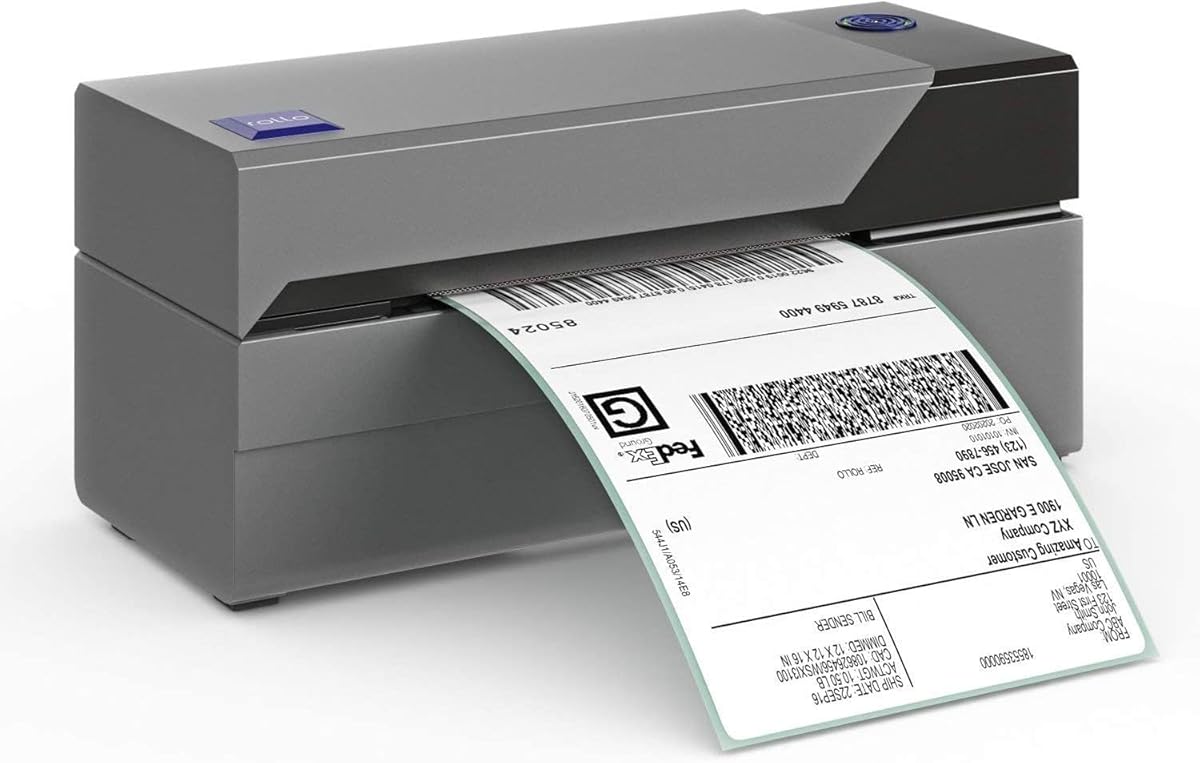
The Rollo USB Shipping Label Printer is a premium choice designed for high-volume environments. With a 4.6 rating, it is trusted by many for its speed and reliability in shipping and inventory workflows.
We may earn a commission when you buy through this link, at no additional cost to you.
Its standout qualities include commercial-grade durability and fast printing speeds. The 203 DPI print head delivers crisp labels suitable for barcodes and shipping addresses. Users appreciate the simple USB connection and broad compatibility with shipping platforms.
While it lacks wireless options, the stability of a wired connection often outweighs this for fixed workstations. The price is higher than budget models, but the longevity and speed justify the investment for frequent use.
This model is best for businesses that print hundreds of labels daily. If you need a robust printer that minimizes downtime and handles continuous tasks well, the Rollo USB is a top-tier option.
Prints up to 150mm per second to keep high-volume shipping operations running smoothly.
Supports custom labels beyond shipping including QR codes and product stickers.
We may earn a commission when you buy through this link, at no additional cost to you.
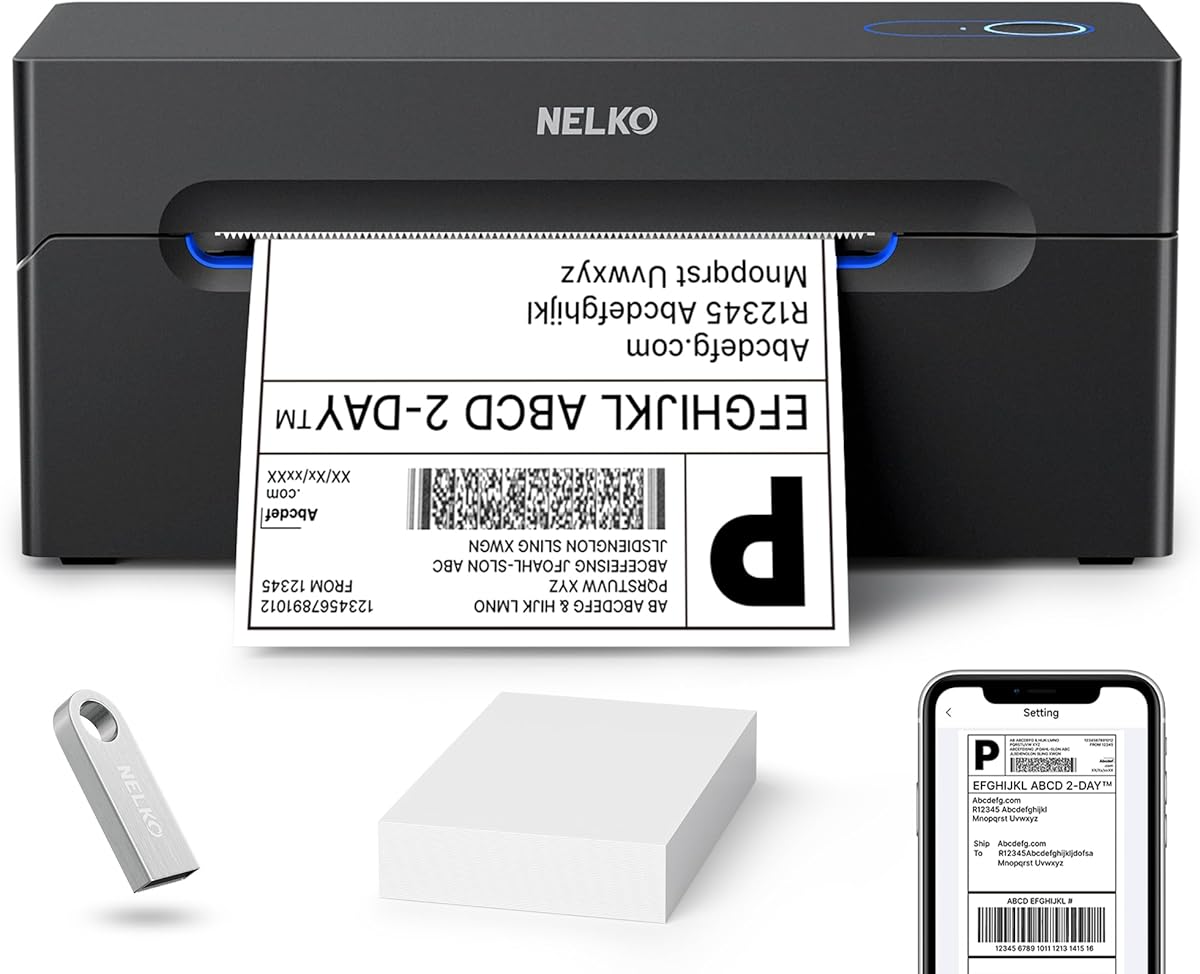
The Nelko Bluetooth Thermal Shipping Label Printer offers a blend of wireless and wired connectivity at a competitive price. Its 4.3 rating reflects satisfaction among users looking for efficient shipping solutions.
We may earn a commission when you buy through this link, at no additional cost to you.
Key strengths include fast printing speeds and support for various label sizes. The direct thermal technology eliminates the need for ink or toner, reducing ongoing costs. Both fanfold and roll labels are supported for flexibility.
One limitation is that direct Bluetooth printing on Mac may have restrictions requiring USB instead. Mobile printing also relies on a dedicated app which adds a step for non-desktop users.
This printer is suitable for home offices and small businesses needing reliable label output. If you value fast performance and flexible label options without breaking the budget, the Nelko is a solid candidate.
Direct thermal technology removes the need for ink or toner to save on operational costs.
Offers both USB and Bluetooth options to adapt to different user preferences and setups.
We may earn a commission when you buy through this link, at no additional cost to you.
The Brother P-touch CUBE Plus is designed for users who need creative and versatile labels rather than shipping. With a 4.5 rating, it is popular for home office organization and retail tagging tasks.
We may earn a commission when you buy through this link, at no additional cost to you.
Its primary strength lies in the wide range of available software and pre-designed templates. Users can create labels up to 1 inch wide with various fonts and frames. The Bluetooth connectivity allows mobile design and printing.
The trade-off is the limited tape width which restricts use for shipping or large barcode labels. Additionally, replacement tapes can be costlier compared to thermal roll labels used by other printers.
This model is ideal for personal organization or small retail businesses needing custom labels. If you want creative flexibility and portability in a small device, the Brother P-touch CUBE Plus fits those needs well.
Access a wide assortment of pre-designed home and office templates for quick creation.
Compact and lightweight design allows easy movement around home or office spaces.
We may earn a commission when you buy through this link, at no additional cost to you.
The Brother QL-700 is a professional grade printer capable of handling wide labels and continuous prints. Its 4.4 rating highlights its effectiveness for users needing more than standard shipping label sizes.
We may earn a commission when you buy through this link, at no additional cost to you.
Standout features include the ability to print labels up to 3 inches wide and speeds reaching 93 labels per minute. The auto cutter provides precise cuts saving time on manual trimming. No ink or toner is required.
However, the printer is larger than compact models and comes at a higher price. Users need to consider desk space and budget before purchasing this model for home use.
This model suits businesses needing banners or wide address labels. If you require fast performance and wide label capabilities with professional finish, the Brother QL-700 is an excellent investment.
Prints labels up to 3 inches wide for banners and large address tasks.
Rapid printing speeds ensure high-volume tasks are completed quickly without bottlenecks.
We may earn a commission when you buy through this link, at no additional cost to you.
The Brother QL-570 is known for its high-resolution output which is great for detailed labels. With a 4.4 rating, it remains a favorite for users needing sharp text and barcode clarity.
We may earn a commission when you buy through this link, at no additional cost to you.
Key strengths include the 300 x 600 dpi resolution and included design software. The printer handles various label sizes and prints quickly. A two-year warranty adds peace of mind for business users.
It may feel larger than newer compact options and costs more than budget alternatives. Users who prioritize image quality over portability will appreciate the extra detail this model provides.
This printer is ideal for labeling tasks requiring high detail and precision. If you need professional-looking labels with fine text and graphics, the Brother QL-570 delivers reliable quality.
300 x 600 dpi resolution ensures sharp and detailed text for professional labels.
Backed by a two-year limited warranty for reliable long-term support.
We may earn a commission when you buy through this link, at no additional cost to you.
The SUPVAN T50M Pro is a highly affordable portable label maker perfect for home organization. With a 4.5 rating, users appreciate its simplicity and low cost for basic labeling needs.
We may earn a commission when you buy through this link, at no additional cost to you.
It offers a free app for editing which allows image additions and custom designs without fees. The device prints labels up to 2 inches wide and requires no registration to use. Its small size makes it easy to store.
Printing speed is slower compared to desktop thermal printers and width is limited to smaller labels. This model is better suited for occasional home tasks than high-volume shipping.
This printer is ideal for organizing home spaces or small office supplies. If you need a cheap and easy tool for creating custom labels, the SUPVAN T50M Pro is a great starting point.
Mobile app is completely free with no registration to create custom designs easily.
Small footprint makes it easy to store in drawers or carry to different locations.
We may earn a commission when you buy through this link, at no additional cost to you.
This Bluetooth Thermal Shipping Label Printer is a cost-effective option for small businesses managing shipping. With a 4.4 rating, it delivers reliable performance for basic shipping needs without high costs.
We may earn a commission when you buy through this link, at no additional cost to you.
Its strengths include dual connectivity and support for various label sizes. The 203 DPI resolution ensures clear text and barcodes. Users find the setup process straightforward with included instructions.
Build quality may feel less robust than premium models and drivers must be installed for computers. However, for the price point it offers excellent value for entry-level users.
This model is best for small businesses needing a reliable starter printer. If you want wireless convenience and low cost for shipping labels, this Bluetooth thermal printer is a solid pick.
Offers essential thermal printing features at a very accessible price point for startups.
Simple configuration with manual instructions makes getting started quick and easy.
We may earn a commission when you buy through this link, at no additional cost to you.
The Brother P-Touch PT-D610BT is a business-focused label maker with features designed for efficiency. With a 4.5 rating, it is favored for creating consistent and professional labels in office environments.
We may earn a commission when you buy through this link, at no additional cost to you.
Standout features include built-in memory for reprints and a visual preview display. Users can design labels via Bluetooth or USB with high resolution output. The template library speeds up common labeling tasks.
It shares the 1-inch width limitation of other P-Touch models which may not suit shipping. The cost is higher than basic makers but the efficiency features justify it for offices.
This model is ideal for businesses needing frequent asset or inventory labels. If you prioritize workflow efficiency and professional appearance in your labeling, the Brother P-Touch PT-D610BT is recommended.
Display allows you to preview labels before printing to ensure accuracy and reduce waste.
Built-in memory stores frequently used labels for quick reprinting without redesign.
We may earn a commission when you buy through this link, at no additional cost to you.
Selecting the right label printer for Linux requires careful consideration of compatibility, connectivity, and performance features to ensure seamless integration.
Linux systems vary significantly in driver availability. Look for printers that explicitly list Linux support or offer open-source compatible drivers to avoid complex workarounds.
Prioritize models with native Linux drivers to ensure stable connectivity and reliable printing without third-party tools.
Decide whether you need wireless flexibility or prefer the stability of a wired connection. USB is universally reliable while Bluetooth adds convenience but may require app dependencies.
Choose connectivity that matches your workspace setup and whether you need mobile or desktop printing.
Printing speed impacts how quickly you can process batches. Higher speeds like 150mm per second are ideal for busy shipping environments while lower speeds suffice for occasional use.
Assess your volume needs to select a speed that keeps your workflow moving without bottlenecks.
Ensure the printer supports the widths you need. Standard shipping labels are 4 inches but inventory or asset labels may be smaller or larger depending on your use case.
Check the supported width range to confirm it fits all your intended label sizes.
If you use e-commerce platforms verify that the printer works with your chosen shipping software. Many printers integrate well with major marketplaces for streamlined label creation.
Confirm compatibility with your shipping tools to avoid extra steps in your process.
Commercial grade printers are built to withstand daily use and continuous operation. Home models may suffice for occasional tasks but lack durability for high-volume needs.
Choose a build quality that matches your expected usage intensity to ensure longevity.
Consider the cost of labels and maintenance. Thermal printers save on ink but may require specific labels which can vary in price by brand and type.
Calculate ongoing supply costs to find a model that fits your budget over time.
Begin by installing the correct drivers for your Linux distribution. Use the official website or provided media to download software tailored for your system to ensure proper installation.
Connect your printer via USB or Bluetooth and run a calibration test. This aligns the printer with the label size you are using and prevents alignment errors during printing.
Keep the print head clean by avoiding dust and debris. Regularly check for any residue and use a soft cloth to wipe the surface to maintain print quality.
Not all models have native Linux support. Look for manufacturers that provide specific drivers or open-source compatibility to ensure your printer works seamlessly.
Standard 4×6 inch labels are most common for shipping. Ensure your printer supports this width if you plan to print directly from shipping platforms.
Wireless can be convenient but USB often offers greater stability. Use Bluetooth only if your workflow requires mobility and app support is verified.
Most printers have a calibration button that detects label gaps. Follow the manual steps or press and hold the feed button to initialize calibration on your device.
Yes many printers support custom software or apps. Use tools like Label Designer or browser extensions to design personalized labels for your needs.
Thermal labels can fade over time if exposed to heat or light. Store printed labels in cool dry places to maintain readability for the required period.
We have reviewed ten top options ranging from budget friendly thermal printers to premium commercial models. The iDPRT SP310 stands out for native Linux support while the JADENS and Rollo offer versatile connectivity.
Consider your specific needs like label width and speed when making your decision. A printer that aligns with your workflow will save time and improve accuracy in your labeling tasks.
Always check current pricing and availability before purchasing as offers may change. Verify that your chosen model still supports your current Linux version to ensure a smooth setup.