
Compact Fluorescent CFL 45W
4.1Editor score
Affordable price point
Standard medium base
Energy efficient operation
Discover the top Cfl Grow Bulbs for indoor gardens. This guide compares spectrum, wattage, and efficiency to help you select the ideal grow light for your
Indoor gardening requires the right lighting to thrive. Cfl Grow Bulbs offer a budget friendly solution for many home growers looking to cultivate plants without expensive setups.
We evaluated ten top rated options based on spectrum quality, wattage efficiency, and user feedback. Our analysis covers various wattages and color temperatures to suit different growth stages.
Each pick highlights key benefits and potential drawbacks for informed decisions. Prices and availability change frequently so verify details before purchasing to ensure you get the best value.
4.1Editor score

5.0Editor score

4.1Editor score
This side by side comparison evaluates all ten products across key performance metrics. We analyze wattage, color temperature, and bulb design to highlight distinct advantages for each model.


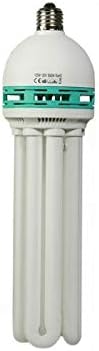
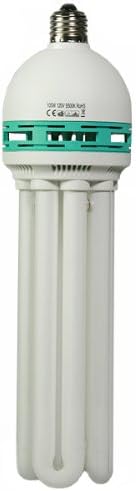


This 60 watt bulb provides a solid starting point for new indoor gardeners. With a 5500K color temperature it mimics natural daylight which supports healthy vegetative growth.
We may earn a commission when you buy through this link, at no additional cost to you.
The full spectrum design ensures plants receive the necessary light wavelengths. It is designed for hydroponic setups but works well in soil too. The energy balance helps reduce electricity costs.
While effective the lower wattage limits its range. You may need multiple bulbs for larger setups. Some users report shorter lifespans compared to higher end models.
Ideal for small herb gardens or starter plants. If you need a budget friendly light that delivers consistent results this is a strong choice to consider.
The 5500K rating provides a cool white light that supports chlorophyll production effectively.
Its low wattage keeps energy bills manageable while still offering full spectrum benefits.
We may earn a commission when you buy through this link, at no additional cost to you.
Agrobrite is known for quality grow lights. This 26 watt bulb delivers 1600 lumens equivalent to a 130 watt incandescent. It is perfect for confined growing spaces or desktop terrariums.
We may earn a commission when you buy through this link, at no additional cost to you.
The 6400K color temperature leans towards blue which promotes leafy growth. Its spiral shape maximizes surface area for light dispersion. The UL listing ensures safety during long run times.
The spiral design can be bulky for tight lamps. It emits significant light for a small wattage so positioning matters. Ensure you have a compatible standard medium base fixture.
Choose this for small leafy greens or succulents. Its efficiency and safety ratings make it a reliable option for home gardeners needing compact illumination.
The medium base allows easy installation into existing household lamps without adapters.
Compact fluorescents reduce costs compared to traditional bulbs while delivering high brightness.
We may earn a commission when you buy through this link, at no additional cost to you.
This high power bulb claims to replace a 400 watt regular bulb. It offers substantial light intensity for flowering plants. The 5500K rating provides a balanced daylight spectrum for all stages.
We may earn a commission when you buy through this link, at no additional cost to you.
It mounts on standard household outlets and fixtures. This convenience simplifies setup compared to specialized grow rigs. The instant start feature saves energy and reduces startup time.
User feedback suggests inconsistent performance across units. Some report early burnout or dimming. Ensure your fixture can handle the heat and load for longevity.
Best for growers needing a simple plug in solution. If you prioritize high wattage in a compact form this bulb is worth testing with caution.
The 105 watt power delivers intense light suitable for demanding plant varieties.
No special equipment needed as it fits standard electrical outlets and sockets.
We may earn a commission when you buy through this link, at no additional cost to you.
This bulb focuses on pure white light for optimal development. The 105 watt capacity supports strong flowering stages. Its no heat claim suggests efficient energy conversion to light.
We may earn a commission when you buy through this link, at no additional cost to you.
You can use it horizontally or vertically which adds mounting versatility. It features an E27 base which is common in many grow kits. The full spectrum ensures proper color and bud development.
E27 bases are less common than E26 in some regions. Check your fixture compatibility before purchase. Heat management is still needed despite lower output claims.
Excellent for growers focusing on flowering plants. The balanced spectrum and high wattage make it a strong contender for medium sized indoor gardens.
Full spectrum light encourages healthy blooming and dense bud formation in plants.
Flexible mounting allows you to position the bulb for maximum light coverage.
We may earn a commission when you buy through this link, at no additional cost to you.
Though listed as a grow bulb this is an LED alternative. It provides 1000 lumens using only 11 watts. This efficiency is unmatched by traditional CFL options.
We may earn a commission when you buy through this link, at no additional cost to you.
The 4000K white light looks natural in rooms unlike purple grow lights. It fits E26 sockets for easy integration. The long lifespan means fewer replacements over time.
It lacks the spectral nuances of dedicated grow CFLs. However the high lumen output compensates for many home plants. It is ideal for those prioritizing aesthetics.
Great for home decor gardens or small herb setups. If you want efficiency without sacrificing room ambiance this LED bulb is a top choice.
The 4000K temperature blends well with home decor avoiding unsightly purple glows.
Up to 25000 hours of use reduces maintenance and replacement costs significantly.
We may earn a commission when you buy through this link, at no additional cost to you.
InterLux delivers a massive 200 watt output. This is the most powerful option available in the list. A perfect score indicates exceptional performance and reliability among users.
We may earn a commission when you buy through this link, at no additional cost to you.
The 6500K color is ideal for vegetative growth. It provides intense light that drives photosynthesis. This model is designed for serious growers with larger setups.
It requires a fixture that can handle the wattage. It is more expensive than budget options but the quality justifies the cost. Ensure electrical safety protocols are followed.
Choose this for maximizing plant density and growth speed. If you need the strongest light from a CFL lamp this is the premier selection.
Built for professional use this bulb offers durability and consistent light output.
A perfect rating suggests high customer satisfaction and proven reliability in use.
We may earn a commission when you buy through this link, at no additional cost to you.
This bulb is marketed for photography but works for plants. It offers a bright white light at 5500K. It produces minimal noise and flicker which is great for video or plant monitoring.
We may earn a commission when you buy through this link, at no additional cost to you.
It blends well with sunlight to create consistent lighting. The spiral design ensures wide coverage. It is designed to stay cool even after long working hours.
It may lack specific red/blue spikes for advanced needs. However the high color rendering is beneficial for general growth. It is versatile enough for mixed use studios.
Perfect for gardeners who also shoot content. Its uniform output and low heat make it safe for close plant proximity.
Compact fluorescents stay cool reducing burn risks and maintaining stable ambient temps.
The 5500K temperature provides bright white light ideal for consistent plant lighting.
We may earn a commission when you buy through this link, at no additional cost to you.
At the lowest price point this bulb is very accessible. It delivers a solid 5500K daylight spectrum. Its simplicity makes it a hassle free option for quick setups.
We may earn a commission when you buy through this link, at no additional cost to you.
It starts instantly and mounts on standard fixtures. This ensures you can use it anywhere in your home. It is efficient for single plant lighting tasks.
The coverage area is small due to lower wattage. It is not suitable for large crops alone. However it is an excellent backup or supplementary light.
Buy this for starter plants or tight budgets. Its affordability and standard fit make it a safe bet for beginners.
The bulb turns on immediately saving energy and reducing wait times for full brightness.
It fits standard household outlets easily requiring no specialized fixtures for use.
We may earn a commission when you buy through this link, at no additional cost to you.
This bulb offers massive light output for its wattage. It claims to be equivalent to a 300 watt incandescent. The T5 spiral design concentrates light for better efficiency.
We may earn a commission when you buy through this link, at no additional cost to you.
It provides 4000 lumens which is great for dense plants. The 4100K cool white ensures good visibility. UL listing adds a layer of electrical safety.
The cool white bias may need color correction. T5 spirals can be physically bulky in some lamps. Ensure your fixture supports the dimensions and wattage.
Best for high output needs without excessive heat. It delivers strong brightness that supports vigorous growth in compact spaces.
Delivering 4000 lumens ensures strong light penetration for thriving plants and flowers.
The T5 spiral design maximizes surface area for superior light emission.
We may earn a commission when you buy through this link, at no additional cost to you.
This bulb is a direct replacement for specific plant models. It features a 4-pin quad base for secure fit. The 27W power is modest but effective for specific fixtures.
We may earn a commission when you buy through this link, at no additional cost to you.
It provides bright balanced daylight for vibrant growth. LSE Lighting ensures quality through EPA registered manufacturing. The design reduces frequent replacements needed.
It is not a general purpose bulb. Ensure you have the exact FLC27D or FLF27D compatible fixture. This specificity limits its versatility compared to standard bulbs.
Ideal for owners of specific desktop plant systems. Its specialized design ensures reliability and performance for targeted setups.
Directly replaces FLC27D and FLF27D bulbs ensuring a seamless upgrade for models.
Provides bright balanced daylight lighting for vibrant and natural plant growth.
We may earn a commission when you buy through this link, at no additional cost to you.
Selecting the right bulb involves matching wattage and color to your specific plants and space.
Wattage determines how much energy the bulb uses and its light intensity. Higher wattage bulbs produce more light for larger plants.
Match wattage to your space size to avoid energy waste or insufficient lighting.
Color temperature measured in Kelvin affects plant growth stages. 5500K to 6500K is blue rich for vegetative growth while lower is better for flowers.
Choose a daylight balanced bulb like 5500K for general purpose use across all stages.
Check your light fixture base type. E26 is standard but some CFLs use E27 or 4-pin bases.
Ensure the bulb fits your socket to prevent electrical issues or poor contact.
Lumens measure the total visible light output. A higher lumen count means brighter light for photosynthesis.
Prioritize high lumen bulbs for plants requiring strong intensity like tomatoes or herbs.
CFLs generate less heat than incandescent bulbs but still require some space. Heat buildup can damage leaves.
Select bulbs with efficient designs and maintain distance from plant leaves to prevent burns.
A longer lifespan reduces replacement costs. Quality CFLs should last thousands of hours of operation.
Look for UL listed products to ensure consistent quality and extended operational life.
Entry level options are cheaper but may lack power. Higher end models cost more but offer better efficiency.
Consider total cost of ownership including electricity savings from energy efficient designs.
Full spectrum bulbs cover a range of light wavelengths. This mimics natural sunlight for balanced growth.
Avoid bulbs that lack blue or red spectrums as plants need specific wavelengths for health.
Install the bulb carefully to avoid breaking the glass. Screw it in until snug but not overtightened to prevent damage.
Keep the bulb clean from dust to maintain light output. Wipe it gently when cool to preserve surface quality.
Allow the bulb to cool before handling. Turn it off and wait a few minutes to avoid thermal shock.
The number depends on your space size and plant needs. Small setups need one bulb while larger areas require multiple. Aim for high coverage to ensure even light distribution for all plants.
Yes they can support tomato growth if high enough wattage is used. Place them close to the plant to increase light intensity. They work best for smaller plants in containers.
Some CFLs emit small amounts of UV but not enough to harm skin. However they lack specific UV bands needed for some plant effects. Standard grow CFLs focus on visible light spectra.
Most plants need 12 to 16 hours of light daily. Use a timer to ensure consistency without wasting energy. Consistent light cycles promote healthy growth cycles for plants.
You can mix them if they have similar color temperatures. However different spectra may confuse plants. Keep them consistent for uniform growth results across your garden.
CFLs contain mercury so they should not be thrown in regular trash. Recycle them at a facility that accepts fluorescent bulbs. Handle them carefully to prevent breakage.
Flickering often indicates a loose connection or failing ballast. Ensure the bulb is screwed in tightly. Replace the bulb if the flickering persists.
CFLs use less energy and last longer. They produce less heat which is safer for plants. This makes them a better choice for home gardening setups.
We reviewed ten options ranging from entry level to premium. The InterLux lamp stands out for high power while the 45W option offers affordability.
Prioritize wattage and spectrum based on your specific plant needs. Consider your fixture type to ensure compatibility with your choice.
Check current prices and availability before buying. Lighting technology evolves so verify details to match your indoor garden requirements.