
Proster LCR Meter
4.5Editor score
Affordable entry-level price
Rotatable LCD screen
Complete test lead kit
This guide compares the top 10 Lcr Meter options for professionals and hobbyists, analyzing accuracy, frequency range, and features to help you choose the
Choosing the right Lcr Meter is essential for anyone involved in electronics repair, design, or hobbyist projects. These devices provide precise measurements of inductance, capacitance, and resistance, going beyond what standard multimeters can offer. A good Lcr Meter ensures components meet specifications and helps diagnose circuit issues effectively.
We have evaluated ten leading models based on accuracy, measurement range, frequency options, and ease of use. Our comparison includes handheld units for fieldwork and benchtop devices for lab environments. Each product was assessed for its ability to handle various component types and deliver reliable readings under different conditions.
Each pick in this list highlights key strengths and ideal use cases to guide your decision. While we focus on features and performance, remember that prices can fluctuate frequently. Always check the current listing for the most up-to-date pricing and availability before making your purchase today.
4.5Editor score

4.7Editor score

4.4Editor score
The following table provides a side-by-side overview of all ten selected Lcr Meter models. It highlights key specifications like accuracy, frequency range, and display type to help you quickly identify which device matches your specific testing needs and budget constraints.

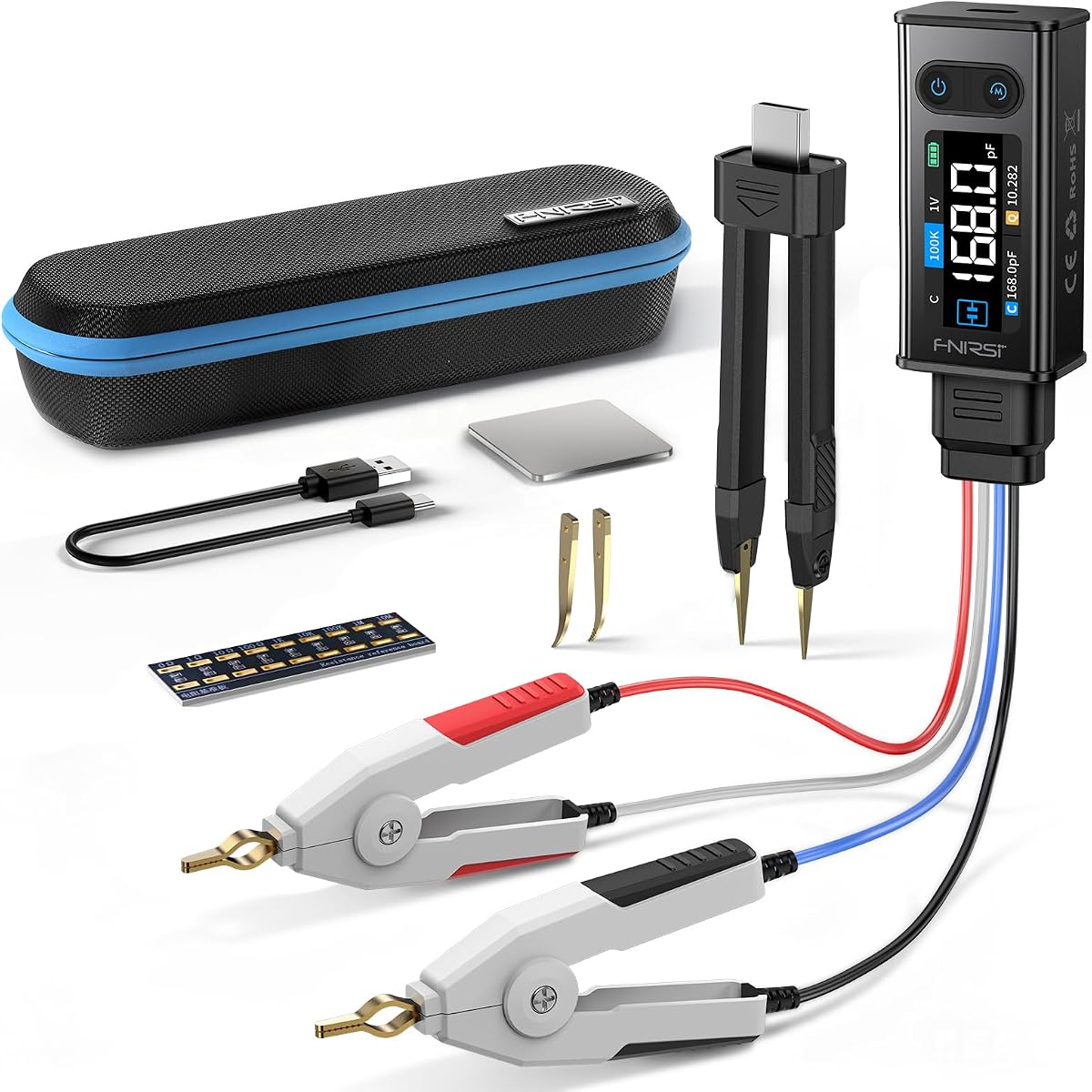


The FNIRSI LC1020E stands out as a top contender for general electronics testing. With a 4.7 rating, it delivers reliable performance for both hobbyists and professionals needing precise measurements. Its ability to show primary and secondary parameters simultaneously makes it a versatile tool for detailed component analysis.
We may earn a commission when you buy through this link, at no additional cost to you.
This meter supports multiple test frequencies ranging from 100Hz to 100kHz, allowing you to test various component types accurately. The 19,999-count display ensures you get detailed readings without losing precision. Features like sorting mode and open/short calibration help maintain accuracy over time and reduce errors in your workflow.
While the LC1020E is robust, users should note the need for regular calibration to maintain peak performance. The learning curve for all features might be slightly steep for absolute beginners, but the included manual provides sufficient guidance. These trade-offs are minor compared to the value offered by its feature set.
If you need a balance of portability and professional-grade features, this is an excellent choice. It handles capacitors, resistors, and inductors with ease, making it suitable for repair shops and design labs alike. We recommend it for anyone looking for a high-performance handheld Lcr Meter.
Seeing primary and secondary values like ESR or phase angle simultaneously saves time during troubleshooting.
The sorting function calculates relative error against presets to quickly identify out-of-tolerance components.
We may earn a commission when you buy through this link, at no additional cost to you.
The DE-5000 is a classic choice for engineers requiring reliable LCR measurements in the field. Its high accuracy and dual display capabilities make it a trusted tool for years. The auto-ranging feature simplifies the testing process, allowing you to focus on the component rather than the settings.
We may earn a commission when you buy through this link, at no additional cost to you.
This meter measures inductance, capacitance, and resistance along with secondary parameters like dissipation factor and quality factor. The ability to switch between serial and parallel modes automatically based on impedance is particularly useful for complex components. Test frequencies cover the standard range needed for most electronic applications.
One drawback is its weight compared to newer compact models, which might be a factor for prolonged handheld use. Additionally, the battery life requires attention during long field sessions. Despite these points, its robust build and reliable performance keep it relevant in many professional environments.
Ideal for field technicians who need a proven device for diverse component testing. It supports various measurement modes and includes essential test leads. If you prioritize reliability over cutting-edge slim design, this model remains a strong candidate for your toolkit.
Auto ranging eliminates the need to manually select ranges, speeding up the testing workflow significantly.
Displaying D, Q, and phase angle helps diagnose issues that resistance alone cannot reveal.
We may earn a commission when you buy through this link, at no additional cost to you.
The MATRIX MCR5200 represents a premium solution for laboratory and production environments. With 0.1% basic accuracy, it delivers the precision needed for rigorous quality control. Its benchtop form factor provides stability and connectivity options that handheld units simply cannot match for detailed analysis.
We may earn a commission when you buy through this link, at no additional cost to you.
This device supports a wide frequency range from 40Hz to 200kHz, covering most electronic component testing needs. The inclusion of USB and RS232C ports allows for seamless data transfer to a PC or USB stick, facilitating detailed record-keeping. The comparator function helps in quickly sorting components into pass or fail categories.
While its accuracy is impressive, the unit is strictly a benchtop device, limiting its use in field scenarios. The price point is also higher compared to handheld models, which might be a barrier for casual users. However, for professional labs, the investment pays off in reliability and data handling capabilities.
Best suited for R&D departments and quality control teams needing high precision and data logging. It excels in environments where components are tested repeatedly and consistency is paramount. If your workflow demands professional-grade accuracy and connectivity, this is a top-tier choice.
USB and RS232C ports enable easy export of test data for analysis and reporting purposes.
Built-in comparator sorts components into pass or fail grades automatically to improve efficiency.
We may earn a commission when you buy through this link, at no additional cost to you.
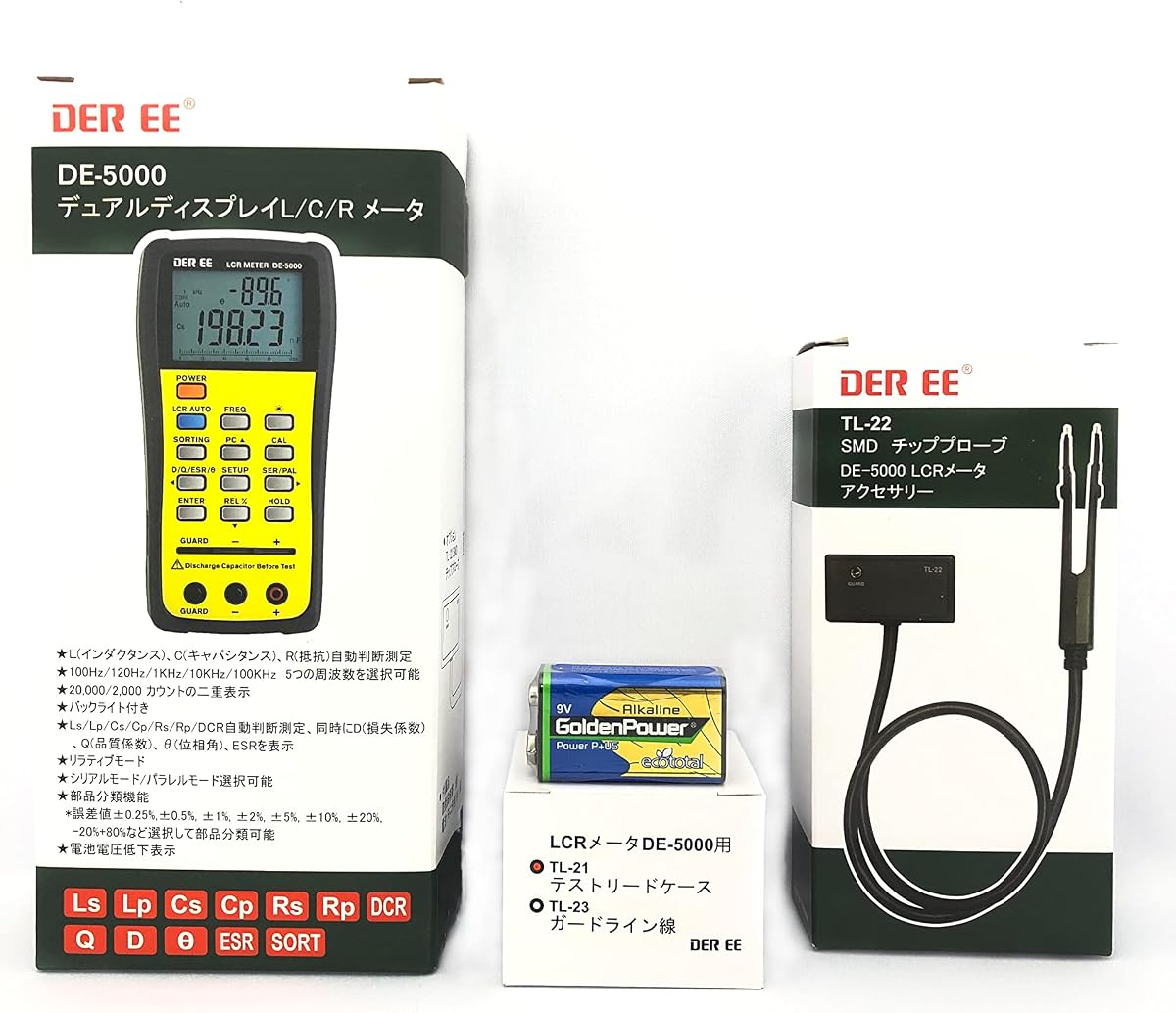
This kit version of the DE-5000 provides everything needed to start testing immediately. It includes both alligator test leads and SMD tweezers, covering a broad spectrum of component sizes. The backlit screen ensures readability in low-light conditions, which is a practical upgrade for workshop environments.
We may earn a commission when you buy through this link, at no additional cost to you.
The meter features automatic LCR check functionality and supports various test frequencies for versatile measurements. Tolerance settings are flexible, allowing precise verification against specific standards. The relative mode is particularly handy for comparing two components directly without manual calculations.
Since this includes more accessories, the price is slightly higher than the bare unit, but the value is significant. The older design might not appeal to those seeking modern sleek aesthetics, but performance remains top-tier. The additional leads and tweezers save time and effort in sourcing extras later.
Ideal for users who want a ready-to-use solution without hunting for extra parts. It offers comprehensive testing capabilities in a single box. If you need to test both large and small components right away, this complete package is highly practical.
Includes TL-21 leads and TL-22 tweezers for immediate use with various component types.
Relative mode allows direct differential measurements between components for precise comparison.
We may earn a commission when you buy through this link, at no additional cost to you.
The Proster LCR Meter is an excellent entry-level option for hobbyists and beginners. Its affordable price does not compromise essential functionality, offering reliable readings for common components. The rotatable LCD is a standout feature that improves ergonomics during extended bench sessions.
We may earn a commission when you buy through this link, at no additional cost to you.
This model measures capacitance, inductance, and resistance across multiple ranges suitable for general electronics. The zero adjustment function helps eliminate stray capacitance for true readings, which is crucial for precision. It also includes data hold and a comprehensive kit with test leads ready for immediate use.
While it lacks advanced features like multiple test frequencies, it covers the basics effectively. The lower resolution might be a limitation for high-precision work, but for most repairs it suffices. The 18-month quality guarantee adds confidence to its purchase for budget-conscious buyers.
Perfect for hobbyists needing a reliable tool without breaking the bank. It handles common capacitors, resistors, and inductors with ease. If you are starting out or need a secondary unit for basic checks, this value-packed meter is a smart choice.
Tilting the screen improves reading angles, reducing strain during bench work.
Zero adj eliminates lead capacitance errors for more accurate small component testing.
We may earn a commission when you buy through this link, at no additional cost to you.
The FNIRSI LCR-ST2 is designed for quick and convenient testing of small components. Its integrated tweezer system makes it ideal for SMD parts, while still supporting through-hole components. The built-in magnet on the back allows you to secure it to metal surfaces, freeing up both hands.
We may earn a commission when you buy through this link, at no additional cost to you.
This unit measures resistors, capacitors, and inductors with primary and secondary parameter displays. It features a rechargeable battery with Type-C charging, removing the need for disposable batteries. The auto sorting function helps identify abnormal components quickly during bulk testing workflows.
The display is small but functional for reading values, though it may be hard to see in very bright light. Frequency options are standard but not as extensive as benchtop models. Despite its size, the testing precision is sufficient for most electronics diagnostics and hobbyist projects.
Best for users who prioritize portability and ease of use for SMD components. It is a handy addition for any bench where speed and convenience are valued. If you work often with surface-mount devices, this model offers a specialized and efficient solution.
A rear magnet secures the device to metal surfaces freeing both hands for testing.
Type-C rechargeable battery eliminates need for disposable batteries ensuring long-term cost savings.
We may earn a commission when you buy through this link, at no additional cost to you.
The Peak Atlas LCR45 receives high praise for its reliable performance and resolution. It supports automatic or manual component type selection, offering flexibility in testing. The hold function is essential for recording values in environments where reading might be difficult during the process.
We may earn a commission when you buy through this link, at no additional cost to you.
Measurement resolution is enhanced for small values, allowing detailed analysis of inductors and capacitors. The menu system is designed to be user-friendly, making settings adjustments straightforward. It covers a wide frequency range up to 200kHz for demanding applications.
While it performs well, finding detailed documentation or support materials can be challenging compared to larger brands. The price is higher than entry-level units, reflecting its professional build. However, the high user rating suggests satisfaction among those who have used it extensively.
Great for users who value high resolution and manual control features. It is well-suited for precision work where detailed parameter reading matters. If you need a reliable device with a user-friendly interface, this is a solid option to consider.
Enhanced resolution allows precise measurement of small component values for accurate diagnostics.
The hold function freezes readings making it easy to record data during complex testing.
We may earn a commission when you buy through this link, at no additional cost to you.
B&K Precision is a trusted name in test equipment, and the 879B reflects that legacy. It features a dual display to show primary and secondary parameters simultaneously. The backlit screen ensures visibility in low light conditions, and the included AC adapter offers stable power for extended use.
We may earn a commission when you buy through this link, at no additional cost to you.
This meter is designed for versatility, supporting multiple measurement modes and connectivity options. The USB interface allows for data transfer, which is useful for logging test results. It comes with necessary test leads and a carrying case for organized transport.
The price point places it in a premium category, which might not be suitable for casual hobbyists. The build is robust but heavier than some compact competitors. For professional shops requiring brand reliability and specific features, this model offers the stability expected from B&K.
Ideal for professional environments needing reliable and supported test equipment. It delivers comprehensive measurement capabilities with user-friendly features. If brand reputation and robust build quality are priorities, this handheld is a dependable choice.
Dual display shows primary and secondary parameters simultaneously to reduce screen switching.
USB interface supports data transfer to PCs for logging analysis and documentation.
We may earn a commission when you buy through this link, at no additional cost to you.
The Extech LCR200 combines essential features in a package suitable for both field and bench use. It includes a built-in test fixture for secure component measurement, which enhances repeatability. The open and short calibration features help maintain measurement accuracy over time.
We may earn a commission when you buy through this link, at no additional cost to you.
This model supports five selectable test frequencies to accommodate different component types. The dual backlit display ensures readability for both primary and secondary parameters. Limit settings with Hi/Lo thresholds allow for quick pass or fail checks during production testing.
While the built-in fixture adds value, it can make the unit bulkier to transport. The mid-range pricing reflects its comprehensive feature set compared to entry-level models. For users needing a balance of features and portability, it presents a well-rounded option.
Well suited for repair shops and technicians requiring a balance of accuracy and utility. The built-in fixture is a convenient addition for consistent testing. If you need a comprehensive tool with reliable calibration features, this model is worth considering.
Built-in fixture secures components during measurement to improve repeatability and accuracy.
Calibration options eliminate stray impedance ensuring readings remain accurate over time.
We may earn a commission when you buy through this link, at no additional cost to you.
This meter stands out for its impressive 0.1% basic accuracy, ideal for precision tasks. It supports three test voltages to match different component requirements effectively. The inclusion of smart SMD tweezers makes it practical for surface-mount component verification without extra purchases.
We may earn a commission when you buy through this link, at no additional cost to you.
In addition to standard LCR measurements, it includes diode testing and multiple frequency options. The 100kHz max frequency covers most typical applications. Lifetime support and a one-year warranty provide additional security for users investing in this device.
While it is priced higher than entry-level options, the accuracy and accessories justify the cost. The brand is less common, which might affect perceived reliability. However, the high user rating suggests strong performance and customer satisfaction among those who have purchased it.
Best for users needing high accuracy and integrated tweezers in one unit. It is particularly useful for quality control tasks requiring strict tolerances. If precision and accessory completeness are priorities, this meter offers substantial value.
0.1% accuracy and multiple voltages allow precise testing across various component types.
Smart SMD tweezers included reduce cost and provide ready testing for surface mounts.
We may earn a commission when you buy through this link, at no additional cost to you.
Selecting the right Lcr Meter depends on your specific testing needs and environment. Consider accuracy, measurement ranges, and features to find a device that matches your workflow.
Accuracy determines how close the measurement is to the true value. Professional work often requires 0.1% or better, while hobbyists may suffice with standard accuracy levels.
Choose higher accuracy for quality control and lower for general repairs.
Different components react differently at various frequencies. A wide range from 100Hz to 100kHz or more ensures versatility for capacitors and inductors.
Verify the meter supports frequencies relevant to your specific components.
Look for secondary parameters like ESR, Q, and phase angle. These help in deeper diagnostics beyond basic resistance or capacitance values.
Ensure the display supports the parameters you need regularly.
Handheld units offer mobility for fieldwork, while benchtop models provide stability for lab settings. Weight and battery life are critical factors for portable devices.
Select handheld for mobile work and benchtop for stationary precision.
Modern meters may include USB or RS232C ports for data logging. This is useful for tracking results over time and generating reports.
Opt for devices with data export if you need record-keeping capabilities.
Open and short calibration functions maintain accuracy over time. Some devices support automatic calibration or comparator modes for batch testing.
Prioritize meters with calibration features to ensure long-term precision.
Clear displays with backlights make reading easier in low light. Adjustable screens or compact designs improve usability during extended sessions.
Test the screen size and readability before buying if possible.
Prices range from affordable options to premium models. Consider the warranty and support offered to ensure long-term value.
Balance features with your available budget for the best investment.
Begin by calibrating the meter using the open and short calibration functions before starting measurements. This ensures that stray impedance does not affect your readings and maintains the device's accuracy.
Connect the test leads securely to the component and ensure the component is discharged before testing. For inductors and capacitors, discharging prevents damage to the meter and ensures safety during operation.
Store the device in a dry and cool environment to prolong battery life and prevent internal damage. Regularly check and clean the test leads to ensure consistent performance over time.
An Lcr Meter measures inductance, capacitance, and resistance. It is used to test electronic components to ensure they meet specifications. This tool is essential for repairing circuits and verifying component quality.
Select frequency based on the component type. Capacitors often need lower frequencies while inductors may require higher. Refer to component datasheets for recommended test frequencies.
Calibration ensures the device reads values accurately by accounting for lead resistance. Skipping calibration can lead to errors in measurement, especially for small component values.
No, you should not measure live circuits. Power must be disconnected to avoid damaging the meter or creating safety hazards. Always discharge components before testing.
Handheld units are portable for fieldwork while benchtop models offer higher accuracy and data logging. Choose based on whether you need mobility or professional lab precision.
Many modern meters include SMD tweezers. If not, you may need to purchase specialized probes for surface mount testing. Check package contents before buying.
Calibrate regularly before important tests. For professional use, weekly checks are recommended. Frequency depends on usage intensity and environmental conditions.
Always disconnect power and discharge components to prevent shocks or meter damage. Wear protective gear if handling high voltage parts. Ensure the environment is dry.
We have reviewed ten top Lcr Meter models offering a range of features from budget-friendly options to premium professional tools. Each device has unique strengths tailored to different testing needs and environments.
Prioritize accuracy, frequency range, and ease of use based on your specific workflow. Consider whether portability or data logging is more important for your daily tasks.
Remember to check current prices and availability as they can change. Use this guide to make an informed choice that fits your technical requirements and budget constraints.