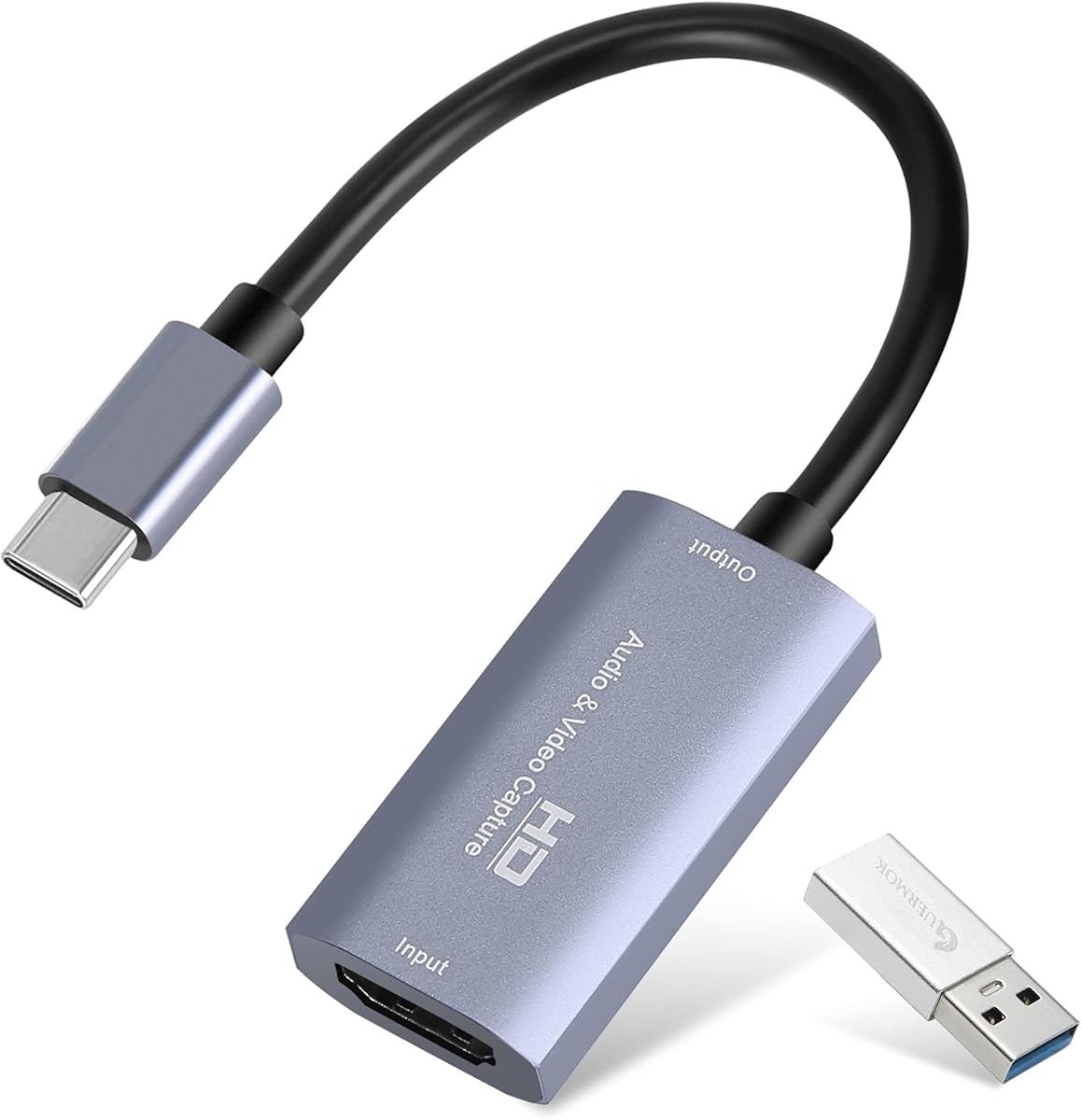
Guermok Video Capture Card
4.4Editor score
4K HDMI input support
USB 3.0 connection
Compact portable design
This guide compares the top capture cards for YouTube creators focusing on video quality, latency, and compatibility for streaming gameplay or DSLR footage.
Choosing the right capture card for YouTube is essential for content creators who want to share high-quality gameplay or camera footage with their audience effectively.
We compared ten popular models based on resolution support, latency performance, software compatibility, and ease of setup to help you find the perfect tool for your channel.
Each pick highlights key strengths and trade-offs so you can decide which device fits your budget and workflow while noting that availability and features may change over time.
4.4Editor score
4.5Editor score

4.2Editor score
The table below provides a side-by-side look at key specifications for each model to help you compare features like resolution, ports, and system compatibility quickly.

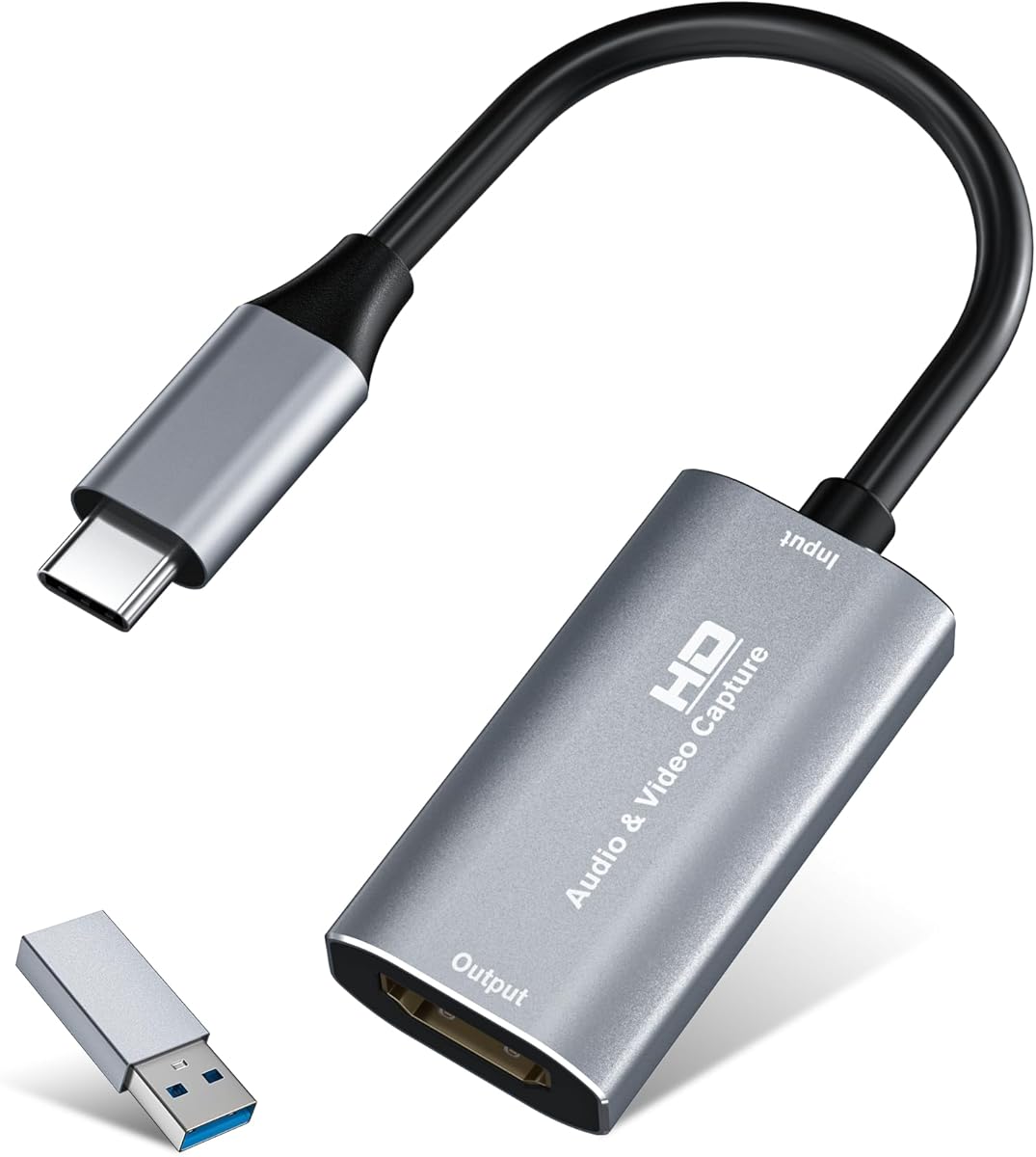



The Rybozen Capture Card is a solid entry-level device for creators focusing on 1080P content with a 4.3 rating from users who value simplicity and reliability in their streaming setups.
We may earn a commission when you buy through this link, at no additional cost to you.
It handles 4K input but downscales to 1080P 60FPS output which is perfect for YouTube streams where high frame rates matter more than extreme resolution clarity.
While it lacks advanced features like 4K pass-through or hardware audio mixing the low latency and plug and play design make it forgiving for beginners learning OBS or Streamlabs.
Buy this if you need a budget friendly solution for gaming or camera input and do not require 4K output capabilities for your final video content.
Works smoothly with OBS and VLC without driver installation.
Allows zero delay gaming while recording simultaneously.
We may earn a commission when you buy through this link, at no additional cost to you.
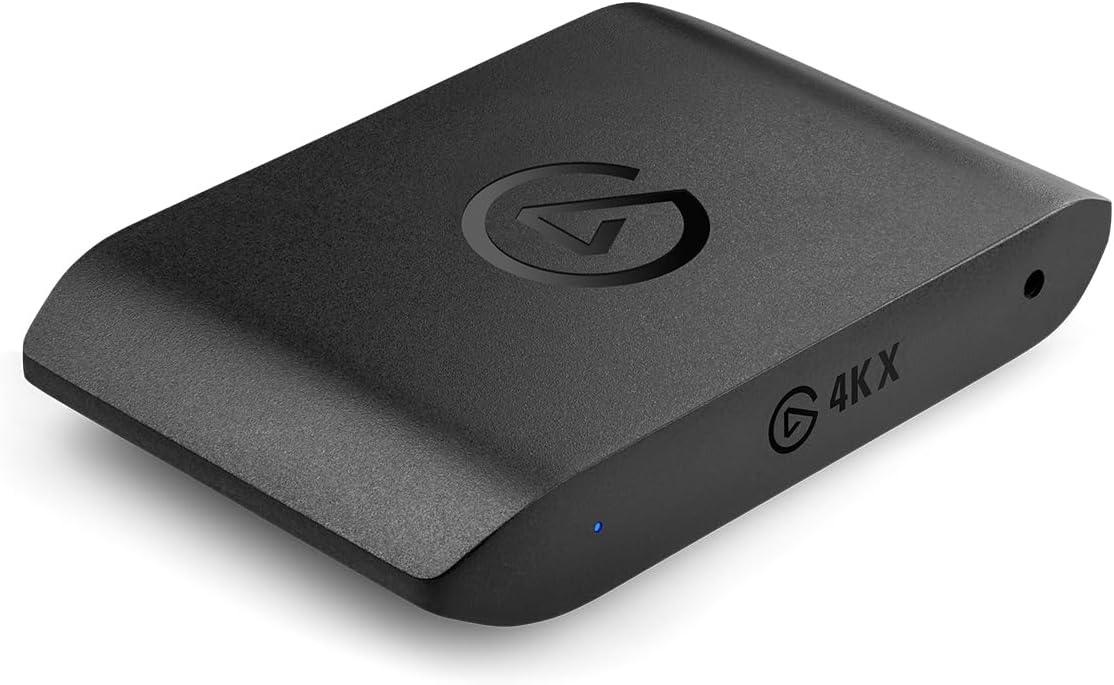
Elgato 4K X Capture Card stands out as the Editor's Choice due to its ability to handle next-gen console outputs with 4K 144Hz support and a robust 4.5 user rating.
We may earn a commission when you buy through this link, at no additional cost to you.
The HDMI 2.1 interface ensures you can capture high frame rates without bottlenecking which is essential for fast-paced action games on YouTube or Twitch streams.
Cost is the main trade-off as this device is more expensive than others but the investment pays off in stability and features like VRR that prevent screen tearing.
Choose this premium card if you stream competitive gaming or high-fidelity content and want the best possible visual quality for your viewers.
HDMI 2.1 supports up to 240fps at 1080p.
Integrates seamlessly with OBS and Streamlabs apps.
We may earn a commission when you buy through this link, at no additional cost to you.
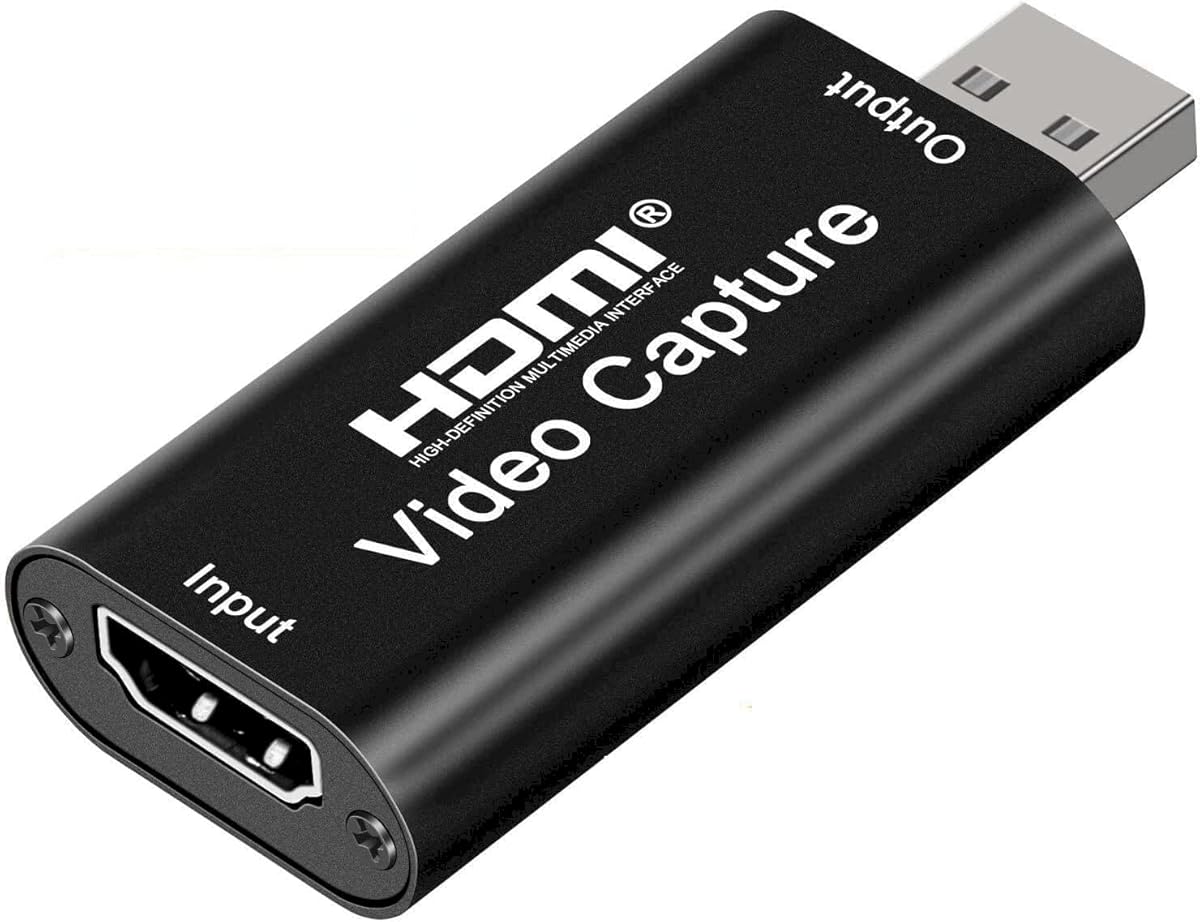
The Guermok Video Capture Card earns Best Budget status by offering solid 4K input capability and 1080P 60FPS output at a price point that rarely disappoints new streamers.
We may earn a commission when you buy through this link, at no additional cost to you.
Its USB-C compatibility makes it ideal for modern laptops and tablets while the aluminum shell helps keep temperatures down during long recording sessions.
Note that you must use the included adapter carefully to ensure USB 3.0 speeds are detected otherwise you may experience slower data transfer rates.
If you are on a tight budget but still want reliable performance for YouTube videos this is a great place to start your capture setup.
Type-C interface meets most daily device needs.
Aluminum alloy prevents overheating during use.
We may earn a commission when you buy through this link, at no additional cost to you.
The Silver HDMI Capture Card impresses with dual-channel audio capture which enhances voice clarity during live streams without needing extra hardware interfaces.
We may earn a commission when you buy through this link, at no additional cost to you.
Its compact design makes it easy to toss into a bag for on-location recording while still maintaining USB 3.0 speeds for smooth data transfer.
While it lacks a dedicated headphone port for monitoring audio during capture the overall stability and compatibility with macOS and Windows make it a strong contender.
This unit is best for travel streamers or those who want a simple setup that just works out of the box without configuration headaches.
Captures game audio and mic input separately.
Supports iPad with enabled OTG function.
We may earn a commission when you buy through this link, at no additional cost to you.
This 4K HDMI Capture Device simplifies streaming with a true plug and play experience that lets you start recording within minutes of unboxing the unit.
We may earn a commission when you buy through this link, at no additional cost to you.
It supports seamless passthrough so you can play games on a monitor without delay while the card captures the video for your YouTube channel.
Since it lacks a dedicated mic-in port you might need to route audio through your console or an external mixer depending on your setup preferences.
It is a great starter option for gamers who want basic capture functionality without paying for advanced features they do not need yet.
Identified automatically as a webcam by OS.
Works with most HDMI enabled consoles.
We may earn a commission when you buy through this link, at no additional cost to you.
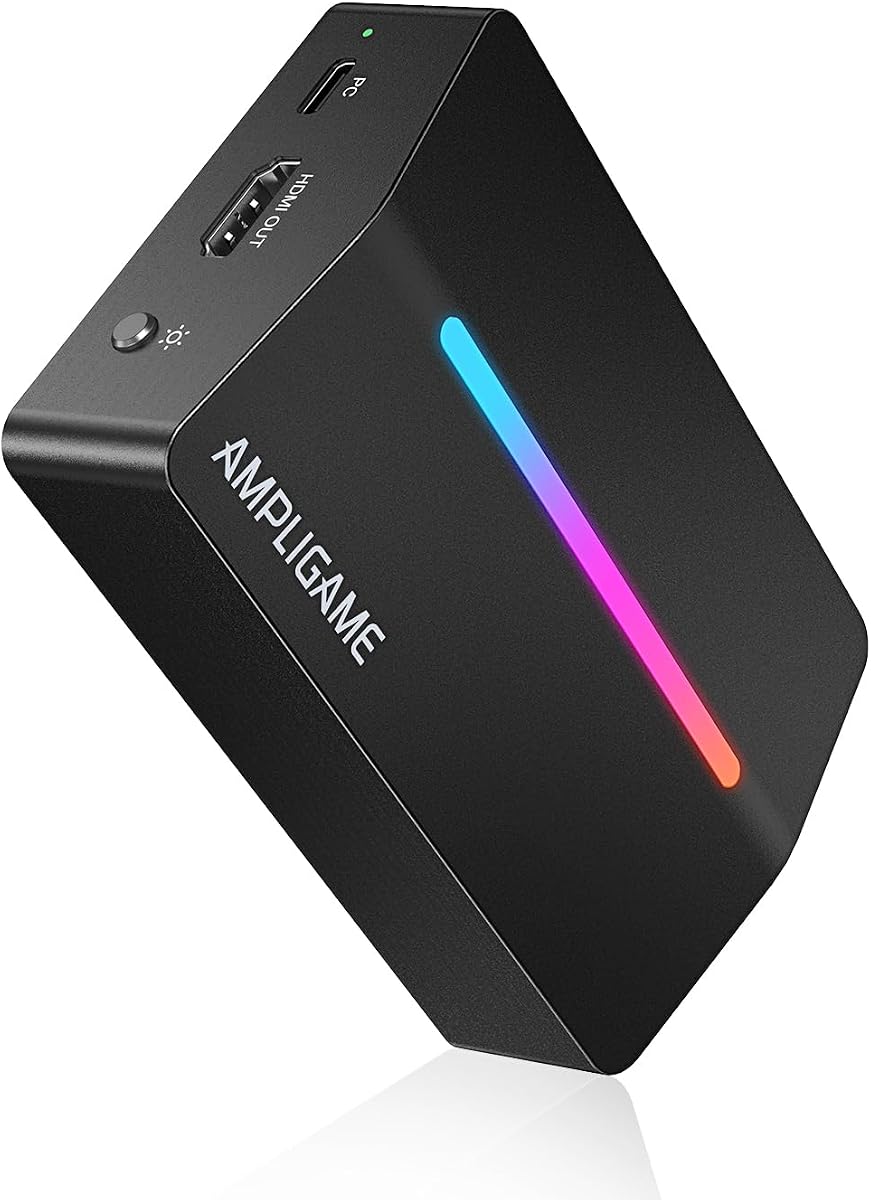
The Fifine AmpliGame capture card stands out with its customizable RGB lighting which adds a nice visual touch to your streaming setup on camera.
We may earn a commission when you buy through this link, at no additional cost to you.
It includes a headset port and LINE IN which makes it easier to mix audio without needing a separate sound card for your streams.
User ratings are slightly lower than competitors but many users appreciate the extra audio flexibility and aesthetic features that justify the extra cost.
Consider this if you want a card that doubles as a desk decoration while providing solid 1080P capture for YouTube or Twitch broadcasts.
Nine RGB modes to match your content vibe.
Headset ports enable direct team comms.
We may earn a commission when you buy through this link, at no additional cost to you.
The Audio Express AXHDCAP is an ultra budget option that works well for static content like teaching videos where 1080P 30FPS is sufficient for clarity.
We may earn a commission when you buy through this link, at no additional cost to you.
Although it is limited to USB 2.0 speeds it manages to capture 4K input signals and output them as 1080P which helps reduce bandwidth usage significantly.
Be aware that the 30Hz limit might cause motion blur during fast gaming so this is best suited for tutorials or presentations rather than action content.
If you need the cheapest reliable card for simple streaming or conferencing this model does the job without any complex setup requirements.
Ideal for teaching or conference broadcasts.
Provides essential features at lowest price.
We may earn a commission when you buy through this link, at no additional cost to you.
The acer USB 3.0 Capture Card offers a great balance of video and audio features by including a mic-in port for commentary without extra adapters.
We may earn a commission when you buy through this link, at no additional cost to you.
It uses YUY2 technology which provides richer color reproduction compared to standard MJPEG ensuring your streams look more vibrant on YouTube.
Latency remains low thanks to the USB 3.0 interface which helps keep gameplay and voice synchronized for a smoother viewing experience.
This is a solid choice for educators or streamers who need to add their voice directly into the capture stream without routing audio separately.
YUY2 delivers lifelike live streaming visuals.
Direct mic-in keeps voice synced perfectly.
We may earn a commission when you buy through this link, at no additional cost to you.
XIIXMASK USB 3.0 Card supports up to 4K 60FPS capture which is a rare feature at this price point for creators needing high fidelity video.
We may earn a commission when you buy through this link, at no additional cost to you.
It also allows 1080P at 120FPS which makes it great for fast games where motion smoothness is more important than 4K resolution.
The USB A and C connections provide flexibility for different laptops but note that you may need to configure audio settings manually after setup.
Select this if you prioritize high frame rates and need a versatile capture card that handles multiple video formats for editing.
Handles 120fps for smooth fast action.
Supports MJPEG YUY2 and NV12 formats.
We may earn a commission when you buy through this link, at no additional cost to you.
PORTTA DX20R Capture Card leads the premium category with HDR and VRR support ensuring your content looks vibrant and tearing free during live streams.
We may earn a commission when you buy through this link, at no additional cost to you.
The utility software gives you deep control over EDID and audio settings which appeals to advanced users who want precise tuning.
While the price is higher than budget options the included control switch and HDR capability make it a future proof investment for top tier creators.
This is the best choice if you need full 4K 60Hz performance with advanced features that standard cards often leave out.
Variable Refresh Rate ensures smooth gameplay.
Download CapHub Utility for full control.
We may earn a commission when you buy through this link, at no additional cost to you.
Choosing the right capture card depends on your target resolution, frame rate needs, and budget constraints.
Ensure the card supports at least 1080P at 60 frames per second for smooth gameplay or camera feeds. If you plan to record in 4K verify that the input and output specifications match your source device capabilities.
Always check both input and output resolution limits to avoid bottlenecks.
USB 3.0 or USB-C connections are necessary for high bandwidth video data. USB 2.0 will limit your resolution to 1080P at lower frame rates and may cause stuttering.
Choose a card with a USB 3.0 or higher interface for reliable performance.
Low latency is critical for gaming streams where delay between gameplay and broadcast affects viewer interaction. HDMI loop-out ports allow you to play on a monitor without lag while recording.
Prioritize devices with hardware pass-through for zero delay gameplay.
Look for cards that offer dedicated microphone inputs or separate audio channels if you want to overlay your commentary directly into the stream without extra mixers.
Check if the card supports stereo audio capture for quality sound.
Verify that the capture card works with your preferred software such as OBS Streamlabs or Twitch Studio. Most modern cards are plug and play but some may require utility software for advanced settings.
Ensure broad compatibility with your streaming tools for ease of use.
If you plan to take your setup on the road choose a lightweight and compact model. Aluminum shells provide better heat dissipation during long recording sessions.
Opt for small and durable designs if mobility is a priority.
Affordable cards often lack advanced features like HDR or high frame rate support. Determine your minimum requirements before spending to balance cost with performance.
Select a model that meets your needs without overspending.
Check compatibility with Windows macOS or Linux depending on your computer setup. Some models may have limited driver support on certain systems.
Confirm OS support before purchasing to avoid installation issues.
Connect the HDMI cable from your camera or console into the input port and another from the output to your monitor for pass-through. Plug the USB cable directly into your computer for data transfer.
Download and install any necessary software drivers if your operating does not recognize the device automatically. Set your streaming software to use the capture card as a video source.
Keep the card ventilated during long recording sessions to prevent overheating. Regularly update firmware via the manufacturer website to maintain compatibility with new devices.
Most modern capture cards are plug and play and work immediately with your operating system. Some advanced models may benefit from utility software but drivers are rarely required for basic streaming tasks.
Yes you can use a capture card with DSLR cameras webcams or even other PCs that have HDMI output. It works with any device that sends an HDMI video signal to the input port.
Blurry video often results from using USB 2.0 or outdated software settings. Ensure you have a USB 3.0 connection and select high bitrate settings in your recording software for clarity.
Not necessarily since many viewers watch in 1080P. However if your content requires high detail like art or tech reviews 4K may be worth the extra investment for future proofing.
If your camera has HDMI output it usually sends audio through that cable. Use a capture card with loop-out to ensure audio sync without needing separate audio interfaces.
HDMI pass-through allows the video signal to go from the source to your monitor while simultaneously being captured. This ensures you can play games with zero delay during recording.
The top picks range from budget friendly options like the Guermok to premium choices like the Elgato 4K X. Your final decision should align with your specific streaming needs and technical skills.
Prioritize low latency and 1080P 60FPS performance for smooth gameplay. Advanced features like HDR and 4K are optional but nice to have for higher quality channels.
Always check the latest availability and customer reviews before buying since product features and prices can vary over time.