
Capture Card, 4K HDMI Video Capture Card
4.3Editor score
1080P 60FPS Output
HDMI Loop-Out Support
3.5mm Mic-in Input
This guide compares the top 10 audio capture card for streaming options to help you choose the best hardware for high quality live broadcasting and recording.
Choosing the right audio capture card for streaming is essential for creators who demand crisp sound and smooth video integration. Whether you stream games or host podcasts, the hardware you select defines your output quality and audience engagement levels significantly.
We evaluated ten leading models based on compatibility, latency, audio features, and build quality. Our analysis covers budget-friendly dongles to professional units with mixers, ensuring you find a solution that fits your specific workflow and budget requirements perfectly.
Each pick highlights key strengths like loop-out, mic inputs, or HDR support. Please note that prices change frequently on retailer sites. Always verify the current deal before purchasing to ensure you get the best value for your investment today.
4.3Editor score

4.6Editor score

4.5Editor score
This side-by-side comparison highlights the core specifications and capabilities of each model to help you decide quickly based on your specific streaming needs and hardware environment.



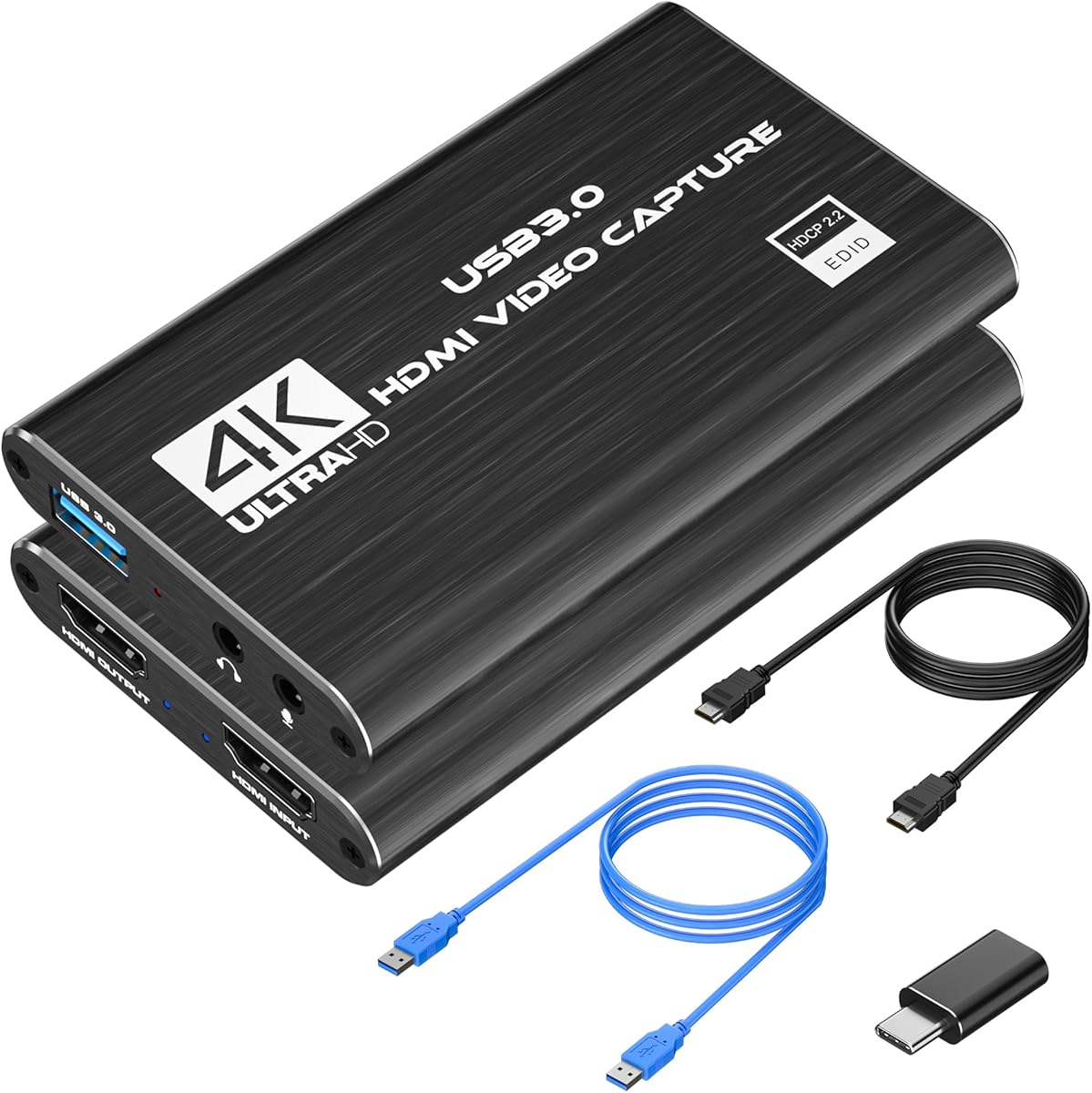


The Rybozen Capture Card offers a highly affordable entry point for streamers needing reliable audio and video capture. It delivers crisp 1080p at 60fps output and includes a dedicated mic-in port for commentary without extra gear.
We may earn a commission when you buy through this link, at no additional cost to you.
Its HDMI loop-out ensures zero-delay monitoring on your main display while the USB 3.0 connection keeps latency low for real-time streaming. The device is recognized automatically as a webcam on Windows and Mac systems.
While it lacks true 4K capture and has a plastic build, the trade-off is a very competitive price that opens streaming to beginners. It performs well with consoles like PS5 and Xbox.
Buy this if you need a simple, functional dongle for gaming streams on a tight budget. It handles basic needs effectively without complex driver installations or software hurdles.
Works instantly with OBS, Twitch, and YouTube without installing extra software on your system.
The 3.5mm mic-in allows you to add voice commentary directly into your stream source.
We may earn a commission when you buy through this link, at no additional cost to you.
OREI captures ultra-clear video with true 4K HDMI capture at 60fps and supports uncompressed formats. Its standout feature is the integrated audio mixing that combines digital HDMI audio with mic and line-in inputs.
We may earn a commission when you buy through this link, at no additional cost to you.
Powered by USB 3.2 Gen 1 with 5Gbps bandwidth, this card ensures stable low-latency transmission perfect for real-time workflows. It is UVC/UAC compliant for seamless operation across Windows and macOS.
The higher price point reflects the professional-grade features like HDR and audio mixing. However, it eliminates the need for a separate audio interface in many setups.
Choose this card if you demand professional output quality and need audio blending capabilities without extra hardware. It is ideal for creators serious about broadcast standards.
Combines game audio with external microphone inputs directly inside the capture card hardware.
Captures footage at 4K resolution for future-proof content creation on modern platforms.
We may earn a commission when you buy through this link, at no additional cost to you.
This USB 3.0 capture card prioritizes smooth low-latency performance for gaming and recording. It outputs crisp 1080p at 60fps ensuring your footage looks professional during live broadcasts.
We may earn a commission when you buy through this link, at no additional cost to you.
It is fully compatible with popular software like OBS and Streamlabs and works instantly out of the box. Its portable design makes it perfect for travelers switching setups often.
While it lacks a dedicated mic input it minimizes delay between gameplay and broadcast for reliable real-time streaming. You can stream directly without complex setups.
Buy this if you value portability and simplicity for competitive streaming sessions. It handles gameplay capture effectively without heavy resource usage on your PC.
Just plug into your PC or laptop and start capturing without installing software.
Minimizes delay so you get reliable capture that works well for live streams.
We may earn a commission when you buy through this link, at no additional cost to you.
The PORTTA DX20R offers stunning gameplay capture at 4K 60Hz with variable refresh rate support. It features a smart display control switch for easy operation parameter management.
We may earn a commission when you buy through this link, at no additional cost to you.
It supports VRR and HDR for superior image quality and smoother gameplay. The included utility software allows customization of video settings and audio mixing easily.
While it supports high frame rates like 240Hz passthrough it requires some configuration via software for full control. This adds flexibility but complicates initial setup slightly.
Choose this if you need high refresh rate support and HDR compatibility for next-gen consoles. It is a solid middle-ground option for tech-savvy streamers.
Supports VRR to reduce screen tearing and ensure smooth visual playback.
Download CapHub to customize video and audio settings for optimal performance.
We may earn a commission when you buy through this link, at no additional cost to you.
This acer capture card delivers smoother 1080P@60Hz output with YUY2 technology for richer colors than MJPEG. It features a mic-in port for easy commentary without extra adapters.
We may earn a commission when you buy through this link, at no additional cost to you.
It is plug and play with no external power needed. It fits easily in your bag for outdoor live streams or on-the-go recordings.
The YUY2 encoding ensures lifelike visuals for gaming and teaching. However it limits output to 1080p despite supporting 4K input signals.
Buy this if you need balanced performance with mic support for classes or vlogging. It is efficient and reliable for general use cases.
YUY2 technology delivers richer colors for lifelike live streaming and recording.
Direct mic-in allows easy real-time commentary for gaming or online classes.
We may earn a commission when you buy through this link, at no additional cost to you.
This Kedok capture card offers high-quality 1080p video capture ideal for all HDMI devices including cameras and consoles. It includes a dedicated mic-in for external commentary.
We may earn a commission when you buy through this link, at no additional cost to you.
It features HDMI loop-out ensuring no delay when playing games live. The device is recognized automatically as a webcam on Windows and Mac systems.
While it lacks true 4K capture the low latency and loop-out make it great for gaming. It fits well in tight setups without extra hubs.
Choose this if you need a simple, functional dongle with mic support. It handles basic streaming needs effectively at a competitive price point.
HDMI loop-out ensures there is no delay when you are playing game live.
Mic-in port allows you to add commentary directly into your stream.
We may earn a commission when you buy through this link, at no additional cost to you.
This all-in-one capture card combines video capture with a professional audio mixer supporting XLR and 48V phantom power. It includes a voice changer and RGB lighting for enhanced streams.
We may earn a commission when you buy through this link, at no additional cost to you.
The physical faders allow precise control over mic, line in, and headphone levels. Its bitrate up to 50Mbps ensures fast-motion scenes stay crisp.
While complex and larger than standard dongles it replaces multiple devices. It is perfect for podcasters who need studio-grade audio without a separate interface.
Buy this if you need integrated audio mixing and voice effects without extra software. It brings max entertainment value to interactive broadcasts.
Built-in XLR interface delivers stable 48V phantom power for condenser mics.
Switch voice modes instantly to engage viewers and add fun to streams.
We may earn a commission when you buy through this link, at no additional cost to you.
This card seamlessly captures and streams PS5 and Xbox gameplay in stunning 4K resolution. It supports 5.1-channel audio capture on Windows with Streaming Center.
We may earn a commission when you buy through this link, at no additional cost to you.
It features 4K60 HDR and VRR passthrough ensuring smooth gameplay on supported displays while recording. It supports ultrawide resolutions like 3440×1440.
The USB-C connection provides stable data transfer and the console support is optimized. It handles unencrypted HDMI from major consoles and iPadOS.
Choose this if you need ultrawide support and HDR capture for consoles. It delivers high quality video with reliable audio for streaming.
Captures 5.1-channel audio for immersive sound in your recorded broadcasts.
Supports input like 3440×1440 for 21:9 gaming capture and recording.
We may earn a commission when you buy through this link, at no additional cost to you.
This internal capture card offers unrivaled gaming experience with 8K60 passthrough and stunning 4K60 capture. It uses HDMI 2.1 to reach frame rates up to 240fps in 1080p.
We may earn a commission when you buy through this link, at no additional cost to you.
Its ultra-low latency ensures perfect sync between broadcast and gameplay. It supports seamless visual broadcasting and flexible streaming across various platforms.
While it requires an internal PCIe slot and high cost the performance is unmatched. It is built for pros needing maximum quality and reliability.
Buy this if you want the best performance and 8K support. It delivers flawless sync and cutting-edge connectivity for serious creators.
Reaches up to 240fps in 1080p for ultra-smooth high-speed recording.
Internal installation saves USB ports and ensures stable internal throughput.
We may earn a commission when you buy through this link, at no additional cost to you.
This card supports up to 4K60FPS video capture and 4K HDMI passthrough with pass-through. It handles high-frame-rate inputs up to 1920×1080@120FPS.
We may earn a commission when you buy through this link, at no additional cost to you.
It includes 3.5mm audio input and microphone output ports for integrating external audio without extra equipment. It is plug and play on Windows macOS and Linux.
While it supports high frame rates the latency is average compared to premium units. It offers flexibility for streaming and device mirroring.
Choose this if you need high frame rate capture and audio ports. It fits well for general content creation and meetings.
Handles high-frame-rate input up to 120FPS for demanding recording requirements.
Audio input and mic output ports allow easy external commentary.
We may earn a commission when you buy through this link, at no additional cost to you.
Selecting the right audio capture card for streaming depends on resolution needs interface types and audio features. This guide explains key factors to consider before making your purchase decision.
Check if the card supports 4K input or output. Most streamers need 1080p at 60fps but higher resolutions future-proof your setup for platforms accepting 4K.
Choose a card that matches your PC and output limits to avoid bottlenecks during streaming.
Low latency is critical for real-time gaming streams where delay ruins interaction. Look for USB 3.0 or USB-C connections and loop-out features.
Prioritize cards that mention zero-delay loop-out for smooth gameplay monitoring.
Decide if you need a dedicated mic-in port. This allows you to insert commentary without extra audio mixers or interfaces.
Ensure the card supports your mic type like 3.5mm or XLR for better sound quality.
Verify the card works with your streaming software like OBS or Streamlabs. Most cards are plug and play but check OS support for Mac or Linux users.
Confirm compatibility with consoles like PS5 or Xbox if you plan to capture gameplay.
External dongles are portable and easy to swap while internal cards save USB ports and provide stable connections. Choose based on your setup.
Small portable designs suit travelers but internal cards are better for permanent desktop stations.
Higher bitrate settings reduce artifacts in fast-motion scenes. Look for cards offering MJPEG or YUY2 formats for better quality.
Uncompressed formats are ideal but may require more processing power from your PC.
Some cards include HDR support, voice changers, or RGB lighting. These add value if you need advanced broadcast features without extra hardware.
Weigh these extras against your budget since basic cards handle most core streaming needs well.
Solid builds with good heat dissipation ensure stable performance during long streams. Avoid fragile plastic casings if you plan heavy use.
Look for trusted brands with reliable warranty and support to avoid downtime.
Connect the capture card to your PC using the provided USB cable. Plug your console into the HDMI input and your monitor into the loop-out port.
Launch your streaming software and select the capture card as your video source. Adjust resolution settings to match your card supported limits.
Store the card in a cool dry place when not in use. Avoid bending cables and keep it away from liquids to ensure longevity.
Most modern capture cards are plug and play and work with standard UVC/UAC drivers. You generally do not need extra software unless you use advanced features like audio mixing.
Budget cards often support 4K input but output at 1080p. If you need 4K output you will likely need a higher-end model with more processing power.
Lag can happen due to high latency settings or weak USB connections. Try using a USB 3.0 port and lower the bitrate or resolution in your software.
Many cards support Mac OS but check product pages for compatibility. Some require additional tweaks for audio routing or specific streaming apps.
Loop-out allows you to play on your main display while capturing. It is highly recommended for gaming so you see real-time footage without delay.
Use the 3.5mm mic-in port on the card if available. Connect your headset directly or use a splitter to embed commentary into the stream.
YUY2 offers better color depth and quality while MJPEG compresses data more. Choose YUY2 for better visuals if your system can handle it.
Some cards include integrated audio mixers or 48V power for XLR mics. Check for these features if you want to save on extra hardware.
We reviewed ten top options ranging from budget-friendly dongles to pro-grade mixers. The OREI card stands out for its audio blending capabilities.
Prioritize low latency and compatibility with your existing streaming workflow. A good card should enhance performance without complicating your setup.
Check current prices on retailer sites before buying. Deals change often so compare features to find the best value for your channel today.