
Canon EF 50mm f/1.8 STM Lens
4.8Editor score
Affordable prime lens option
Bright f/1.8 aperture
Silent STM autofocus motor
This guide compares the top camera lens for product photography options to help you choose the right glass for sharp, professional shots.
Finding the right camera lens for product photography is essential for capturing sharp details and accurate colors. Whether you shoot jewelry or large objects, the glass you choose defines image quality and depth of field control in your studio setup.
We evaluated ten top-rated lenses based on optical performance, aperture versatility, and compatibility with modern camera bodies. Each selection offers unique strengths for different shooting styles, from macro detail work to broader catalog shoots requiring consistent clarity.
Each pick below shows specific strengths like build quality, focus speed, or price value for your needs. Prices change often, so verify current listings before buying to ensure you get the best deal for your photography gear investment today.
4.8Editor score

4.8Editor score
4.7Editor score
This side-by-side comparison highlights key specifications across all ten lens options to help you quickly identify the best fit for your camera system and product shoot requirements.


This RF zoom lens earns our top spot with its versatile range and consistent f/2.8 brightness. It delivers professional results for product shots requiring both close-ups and wider angles without changing glass.
We may earn a commission when you buy through this link, at no additional cost to you.
Its optical image stabilization compensates for hand movement, ensuring clarity even at slower shutter speeds. The Nano USM motor focuses quickly and quietly, which is critical when switching between detailed items or larger objects.
While the price is higher, the versatility justifies the cost for studios shooting diverse items. The control ring allows quick setting changes directly from the lens, streamlining your workflow during busy shoots.
Buy this if you need a single lens for varied product types. Its sharpness and speed make it a reliable investment for professional photographers aiming for high-quality output without gear changes.
The 24 to 70mm range covers wide angles for context and mid-range for detail shots.
Up to 5 stops of correction helps maintain sharp images in low-light studio conditions.
We may earn a commission when you buy through this link, at no additional cost to you.
This lens offers exceptional value with sharp optics at a fraction of the cost of premium options. It is a favorite among hobbyists and startups needing reliable image quality without breaking the bank.
We may earn a commission when you buy through this link, at no additional cost to you.
The f/1.8 aperture allows for beautiful background blur, isolating products effectively. Its STM motor ensures near-silent continuous focus, making it suitable for both still photography and video content creation.
Though it lacks zoom flexibility, the fixed focal length forces you to compose shots carefully, improving your technique. The compact size makes it easy to transport for on-location product shoots.
Choose this if budget is a priority and you need a versatile prime for general product work. Its performance-to-price ratio makes it an easy recommendation for entry-level photographers.
You get professional-grade sharpness without the high cost often associated with brand-name lenses.
The wide aperture creates a creamy bokeh that helps your product stand out from the background.
We may earn a commission when you buy through this link, at no additional cost to you.
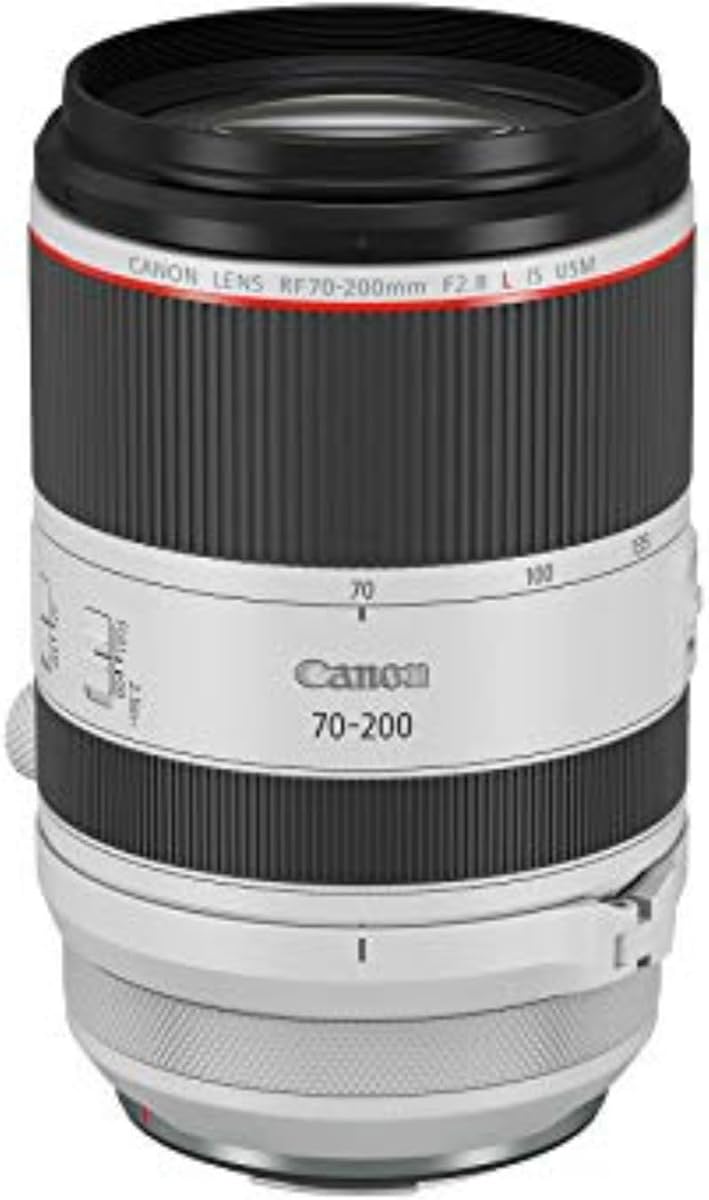
This lens delivers stunning compression and sharpness for isolated product shots from a distance. It is ideal for capturing detailed textures without disturbing the subject, thanks to its long reach.
We may earn a commission when you buy through this link, at no additional cost to you.
The dual Nano USM motors provide quick, precise focusing essential for crisp product details. Its compact design is surprising for a telephoto, allowing easy handheld shooting during long sessions.
The stabilization system ensures steady shots even at maximum zoom. While pricey, the optical performance and convenience justify the expense for serious professionals.
Invest in this if you need to shoot high-end product images with minimal intrusion. Its quality and reach make it a standout choice for premium photography workflows.
The 70-200mm range lets you flatten perspective and isolate subjects effectively from a distance.
Despite its power, the lens is designed to be lightweight and easy to handle during shoots.
We may earn a commission when you buy through this link, at no additional cost to you.
This lens provides a budget-friendly way to shoot distant products or create compressed compositions. It is a solid choice for photographers needing range without investing in expensive L-series glass.
We may earn a commission when you buy through this link, at no additional cost to you.
The DC motor ensures decent autofocus speed for stills. Its long focal length helps isolate products from busy backgrounds, making them the clear focus of the image.
Note that the variable aperture means less light at the telephoto end. You may need extra lighting or higher ISO settings indoors to maintain quality.
Pick this if you need range on a budget. It is a practical tool for photographers who prioritize focal length over constant aperture brightness.
Up to 300mm lets you frame products tightly even when physical space is limited.
Opt for renewed versions to save money while getting tested and verified optical performance.
We may earn a commission when you buy through this link, at no additional cost to you.
This manual focus lens offers creative control over focus points and aperture. It is designed for photographers who prefer to adjust settings manually for ultimate artistic freedom.
We may earn a commission when you buy through this link, at no additional cost to you.
The f/1.8 aperture provides smooth bokeh for product isolation. Its hybrid aspherical lens technology minimizes aberrations, ensuring sharp details even at wide apertures.
Autofocus absence means slower shooting, but this is acceptable for controlled studio work. The lens works with many Canon DSLR models, making it versatile for existing users.
Select this if you enjoy manual photography and want unique control. It is a cost-effective option for photographers willing to trade speed for precision.
Manual focus allows you to pick exact spots to highlight on complex products.
Rounded aperture blades create soft, pleasing background blur for clean product images.
We may earn a commission when you buy through this link, at no additional cost to you.
This compact lens is perfect for portable product shoots. Its lightweight design makes it easy to carry for field work or small studio setups where space is tight.
We may earn a commission when you buy through this link, at no additional cost to you.
The f/1.8 aperture performs well in low-light conditions. Smooth and quiet autofocus ensures precise focus, while the control ring allows quick setting adjustments without touching the camera.
As a fixed lens, you move physically to compose shots. This encourages deliberate framing and can improve overall image composition techniques.
Opt for this if you need a pocketable prime for RF cameras. Its blend of performance and portability makes it ideal for mobile photography.
Its tiny size makes it an excellent travel companion for on-location product shoots.
Direct setting changes via the ring speed up your workflow during quick shoots.
We may earn a commission when you buy through this link, at no additional cost to you.
This lens is renowned for its optical performance and sharpness. It excels at capturing fine details on products from a distance, making it perfect for jewelry or texture work.
We may earn a commission when you buy through this link, at no additional cost to you.
The f/1.8 aperture is rare for this focal length, offering great low-light capabilities. Dust and splash-proof construction ensures reliability in various shooting environments.
Its weight can be tiring over time, but the image quality is worth it. Each unit is individually evaluated for quality before leaving the factory.
Buy this if top-tier optics are your priority. It is an investment for professionals who demand the best resolution and clarity for their work.
Handcrafted construction ensures every lens meets high standards for sharpness and consistency.
Dust and splash-proofing allows use in challenging environments without worrying about damage.
We may earn a commission when you buy through this link, at no additional cost to you.
This kit attaches to smartphones to expand their capabilities. It is perfect for creators who rely on mobile phones for social media product content or quick documentation.
We may earn a commission when you buy through this link, at no additional cost to you.
The macro lens allows close-up detail shots, while the wide angle captures more scene context. The included LED light helps illuminate subjects in low-light settings effectively.
While not a substitute for professional optics, it offers decent quality for casual needs. The case and lanyard make it easy to carry anywhere.
Choose this if you need a versatile mobile tool. It is an affordable way to boost your smartphone's photographic utility for product shots.
You get advanced optical tools without carrying heavy camera gear, ideal for quick shots.
The clip-on LED provides warm continuous light, avoiding harsh shadows common with phone flashes.
We may earn a commission when you buy through this link, at no additional cost to you.
This bundle includes a camera and two lenses covering wide to telephoto ranges. It is an all-in-one solution for beginners wanting to shoot products without buying gear separately.
We may earn a commission when you buy through this link, at no additional cost to you.
The 24.1MP sensor captures detailed images, while built-in Wi-Fi enables easy transfer to devices for sharing. The dual lens setup offers flexibility for different product sizes.
While not as fast as professional gear, it is sufficient for learning. The system supports future lens upgrades as skills grow.
Pick this if you need a complete entry system. It provides the essential tools to start product photography without complex setup requirements.
Get a camera and two versatile lenses in one purchase for immediate shooting readiness.
Built-in Wi-Fi simplifies moving photos to your phone for instant social media uploads.
We may earn a commission when you buy through this link, at no additional cost to you.
This fixed lens is known for outstanding sharpness and clarity. It is a favorite for photographers needing a dedicated telephoto without the bulk of heavy zooms.
We may earn a commission when you buy through this link, at no additional cost to you.
The f/2.8 aperture is constant and bright, helping in varied lighting. Its construction is robust yet lighter than many competitors, easing handheld use.
Lack of zoom requires moving to frame shots. However, for consistent product work, the fixed focal length ensures uniform results across sessions.
Buy this if you value optical quality over versatility. It is a reliable tool for professionals needing precise telephoto performance without weight.
The L-series design ensures high-quality glass that delivers crisp images consistently.
Despite being a telephoto, it is designed to be manageable for extended handheld shooting.
We may earn a commission when you buy through this link, at no additional cost to you.
Selecting the right lens depends on your camera type, product size, and desired image quality. These factors ensure you invest in gear that fits your workflow and budget.
Ensure the lens matches your camera system. Canon EOS R users need RF lenses, while older DSLRs require EF mounts. Mixing mounts may need adapters that affect performance.
Always verify mount compatibility before purchasing to avoid issues with fit and electronic communication.
Zoom lenses offer flexibility for various product sizes without moving gear. Prime lenses provide fixed focal lengths that often deliver superior sharpness and wider apertures for specific tasks.
Choose zooms for versatility or primes for ultimate quality and light control.
Larger apertures like f/1.8 or f/2.8 let in more light, useful for low-light studios. They also create background blur, isolating products effectively.
Prioritize wide apertures if you shoot in dim lighting or need strong subject separation.
Optical stabilization reduces blur from hand movement. This is crucial for sharp product shots when not using a tripod.
Look for lenses with IS or similar technology for handheld shooting stability.
Autofocus speed and silence impact workflow. Motors like STM or USM focus quickly and quietly, essential for video and stills alike.
Select lenses with reliable autofocus to save time during detailed product setup.
Durable lenses withstand regular studio use. Weather sealing helps protect against dust and moisture during varied shoots.
Invest in robust builds for longevity and peace of mind during work.
Premium lenses cost more but offer better optics. Budget options may lack features but still deliver decent results for beginners.
Balance cost with your needs; you do not always need the most expensive gear to succeed.
Heavier lenses can cause fatigue during long sessions. Compact options are better for travel or mobile shoots.
Consider weight if you plan to carry gear frequently or shoot on location.
Attach the lens securely and ensure all caps are removed. Check the focus mode switch and set it to autofocus or manual based on your preference.
Use a clean cloth to wipe the lens surface gently. Avoid touching glass with fingers to prevent smudges that can ruin sharpness.
Store the lens in a dry case when not in use. Remove the battery and store in a cool place to preserve lens components.
A macro lens or prime with wide aperture like the Canon RF50mm F1.8 works well. It captures fine details and allows close focus for intricate items.
Not always if you use a tripod, but stabilization helps when shooting handheld. It reduces blur risks and ensures sharper images in varied conditions.
Yes, but you will need an adapter. EF lenses work on RF bodies with the adapter, though native RF lenses offer better performance.
Prime lenses have fixed focal lengths and are often sharper. Zooms offer flexibility without changing glass, making them versatile for different product sizes.
Use a microfiber cloth and lens cleaner. Blow away dust first to avoid scratching glass when wiping the surface gently.
Yes, budget options like the EF 50mm f/1.8 provide excellent quality. Many professionals start with these before upgrading as needs grow.
Wider apertures like f/1.8 or f/2.8 create stronger bokeh. This effect isolates the product by softening the background behind it.
Not necessarily if you focus manually for precision. However, fast AF helps in dynamic setups or when shooting video content too.
The Canon RF24-70mm F2.8 leads our list with unmatched versatility and image quality. It suits professionals needing one lens for varied product types.
Prioritize aperture and focal length based on your product size. A budget prime works well for starters, while premium zooms offer long-term reliability.
Prices change quickly, so check current listings before buying. Verify compatibility with your camera to ensure a smooth purchase.