
Handheld Fish Finder Portable Fishing Kayak
4.2Editor score
Portable and lightweight design
Works in fresh and salt water
Clear LCD display with backlight
Finding the right tool to locate fish does not have to break the bank. Affordable depth finders have come a long way in recent years, offering reliable sonar technology at accessible price points. Whether you are fishing from a kayak, a small boat, or the shore, having a clear view of the water column can make a significant difference in your success.
We have carefully selected ten top-rated models that balance performance with affordability. Our comparison focuses on essential features like sonar clarity, display quality, battery life, and ease of use. Each product was evaluated based on user feedback and technical specifications to ensure they meet the needs of budget-conscious anglers who still demand quality results.
Each pick in this list highlights specific strengths such as portability, advanced sonar modes, or durable construction. You will see detailed reviews and comparison data to help you decide which unit fits your fishing style. Please note that prices and availability can change frequently, so check the current listings before making your final purchase decision.
4.2Editor score
4.6Editor score

4.5Editor score
As an Amazon Associate we earn from qualifying purchases.
Below is a side-by-side comparison of all ten selected depth finders. This table summarizes the key specifications and capabilities of each unit to help you quickly identify which model offers the features you need most for your specific fishing environment and budget constraints.


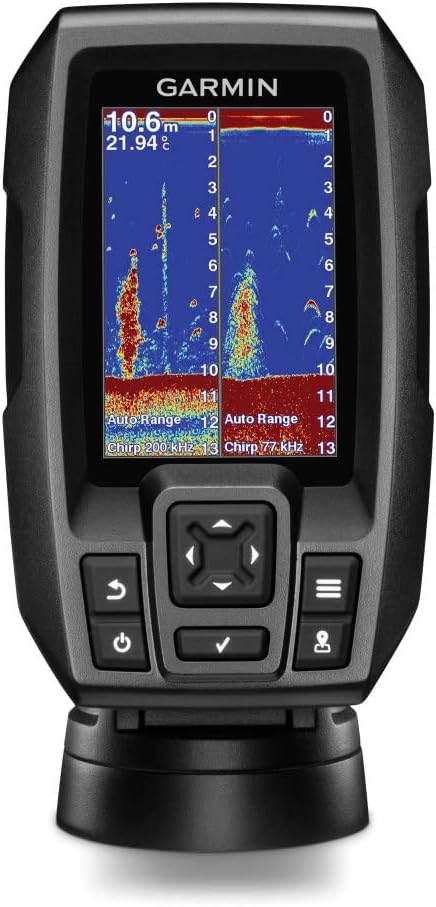
The Garmin Striker 4 stands out as the top choice for anglers seeking a reliable budget-friendly unit that delivers premium features. With a strong rating from users, it balances performance and ease of use effectively. The integration of ClearVu scanning and CHIRP sonar provides a clear view of the underwater environment.
We may earn a commission when you buy through this link, at no additional cost to you.
This device uses advanced sonar technology to provide near photographic images of what is beneath your boat. The CHIRP sonar sweeps frequencies to create better target separation and crisper fish arches. The built-in GPS allows you to mark waypoints like docks or stumps easily for future fishing trips.
While it offers excellent value, you may need to spend some time learning the interface initially. The depth capabilities are solid for most freshwater and coastal saltwater environments. For the price, the inclusion of GPS and high-frequency sonar is a significant advantage over competitors.
Anyone looking for a versatile depth finder that grows with their skills should consider this model. It is suitable for beginners who want quality data without overspending. The durability and water resistance ensure it lasts through various weather conditions.
The high frequency sonar delivers detailed representations of objects and fish that help identify structure quickly.
Use the waypoint map to mark specific locations like brush piles and return to them reliably.
We may earn a commission when you buy through this link, at no additional cost to you.
This portable unit is an excellent option for those who need a functional depth finder without a large investment. It is designed for versatility, working well from kayaks, docks, or while ice fishing. Users appreciate its simplicity and ability to provide useful data quickly.
We may earn a commission when you buy through this link, at no additional cost to you.
The device shows water depth, fish location, and bottom structure like rocks and weeds. It operates on standard AAA batteries and includes a neck strap for convenience. You can adjust sensitivity and enable features like a fish alarm to enhance your experience on the water.
Being a budget model, the display is basic and lacks advanced mapping features. Battery life is adequate for short sessions but requires replacements for long days. Despite these limitations, it provides a solid entry point into sonar fishing technology.
This finder is ideal for casual anglers or as a backup device for serious fishers. It is easy to toss in a tackle box for emergency trips. If you want to test sonar waters without a big commitment, this is a strong candidate.
You can wear it around your neck or store it easily in your tackle box for quick access.
It functions effectively in both fresh water and saltwater conditions for versatile fishing.
We may earn a commission when you buy through this link, at no additional cost to you.
This wireless model offers a premium experience with features usually found on much more expensive units. The ability to cast the sensor and operate wirelessly provides unmatched flexibility for kayak and shore fishing. Users highlight the clear display and long-range capabilities as key strengths.
We may earn a commission when you buy through this link, at no additional cost to you.
The sensor can be tied to your line and cast to promising spots. The display shows fish icons with exact depth markers and scrolls to show history. A rechargeable battery ensures you do not need to buy disposable batteries frequently during trips.
The price is higher than basic handheld units, reflecting the advanced wireless technology. You need to ensure you can charge the device between outings. The setup is straightforward and avoids the need for drilling or complex wiring on your boat.
If you value convenience and modern features, this unit is worth the investment. It suits anglers who fish from shore or kayaks often. The portability and performance make it a top contender in the premium affordable category.
Enjoy cast your sensor and unlock secrets below without wires limiting your movement.
The floating sensor can be cast like a bobber into deep channels you cannot reach otherwise.
We may earn a commission when you buy through this link, at no additional cost to you.
Lowrance delivers a clear viewing experience with this model featuring an IPS portrait screen that stays visible even in bright light. It is designed for simplicity, automating sonar tuning so you can focus on fishing. Many users find the interface intuitive and helpful.
We may earn a commission when you buy through this link, at no additional cost to you.
The included transducer provides a broad beam for kayaks and small boats. Fish icons show depth and you can zoom for a closer look. The twist-lock connector makes setup simple and the compact design fits well in tight boat areas.
While the screen is excellent, full mapping features may require additional purchases. The unit is fixed to a specific display size which might not suit larger dash setups. However, the core sonar performance is solid and reliable.
This finder is great for those who want easy setup and clear visibility. It works well for small boats and kayaks with limited space. If you prioritize ease of use and display clarity, this is a strong choice.
The screen stays clear in sunlight and through polarized sunglasses from wide angles.
Automated settings help you find fish without manual adjustments or complex menus.
We may earn a commission when you buy through this link, at no additional cost to you.
Humminbird is a trusted name and this unit offers dual beam sonar for both detail and coverage. It includes a tilt and swivel mount that helps you view from different angles easily. Users report consistent performance and a straightforward interface.
We may earn a commission when you buy through this link, at no additional cost to you.
The dual beam system lets you choose a narrow beam for detail or a wide beam for area coverage. This flexibility helps identify fish and structure effectively. The transom mount transducer is included for easy installation on most boats.
The display is functional but not large compared to some modern units. You may need to adjust the mount for your ideal view. The warranty provides peace of mind for buyers seeking reliability.
This device suits anglers who prefer traditional sonar with proven performance. It is a good upgrade from basic handheld units for boat use. If you want a reliable standard fish finder, this model delivers.
Choose narrow or wide beams to identify fish and contours based on your needs.
Tilt and swivel mount allows quick adjustment of the viewing area angle.
We may earn a commission when you buy through this link, at no additional cost to you.
This handheld unit is designed to fit one hand with a castable transducer for flexible use. It displays fish depth and water depth clearly while allowing unit switching between feet and meters. The backlight ensures visibility in darkness.
We may earn a commission when you buy through this link, at no additional cost to you.
The package includes a neck strap for convenience when busy on the kayak. You can adjust sensitivity to match clear or turbid water conditions. Alarms notify you when fish schools pass by your sensor.
Battery life is limited but can be extended with the save mode. The display is smaller than deck mounted units which may limit viewing from distance. It offers a good balance for kayak fishing needs.
Ideal for anglers on the go who need a quick and compact solution. The portability and basic features make it useful for various water types. Consider this if you want a dedicated handheld sonar.
The size is designed for just one hand held while you fish.
Audible alarms sound when fish pass by so you do not miss strikes.
We may earn a commission when you buy through this link, at no additional cost to you.
This depth finder is designed to mount in your dash providing uninterrupted readings at speed. It delivers data up to 60 mph with a clear polarized screen that works with sunglasses. Users like the robust alarm system and accuracy.
We may earn a commission when you buy through this link, at no additional cost to you.
The warning system uses audible alarms and LED lights to signal depth conditions. You can choose between transom or glue-in installation for the transducer depending on your boat hull. The display shows depth and icons clearly.
Glue-in installation is only suitable for specific hull types which limits versatility. The unit is fixed for dash mounting and not portable. It serves well for boats needing permanent installation.
If you need a dash mounted depth sounder, this unit provides reliable performance. It is a good choice for boats with fiberglass or aluminum hulls. Check compatibility before purchasing.
Delivers uninterrupted depth readings while moving up to 60 mph.
3-stage warning system uses sound and light to alert you clearly.
We may earn a commission when you buy through this link, at no additional cost to you.
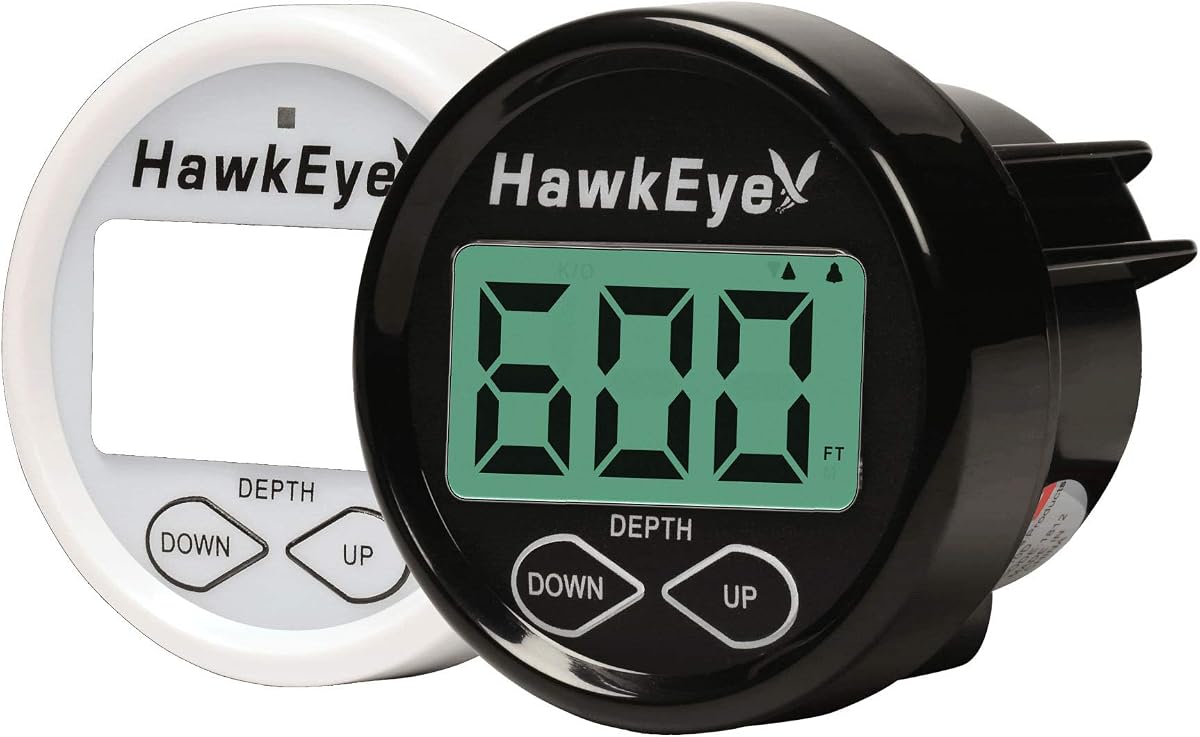
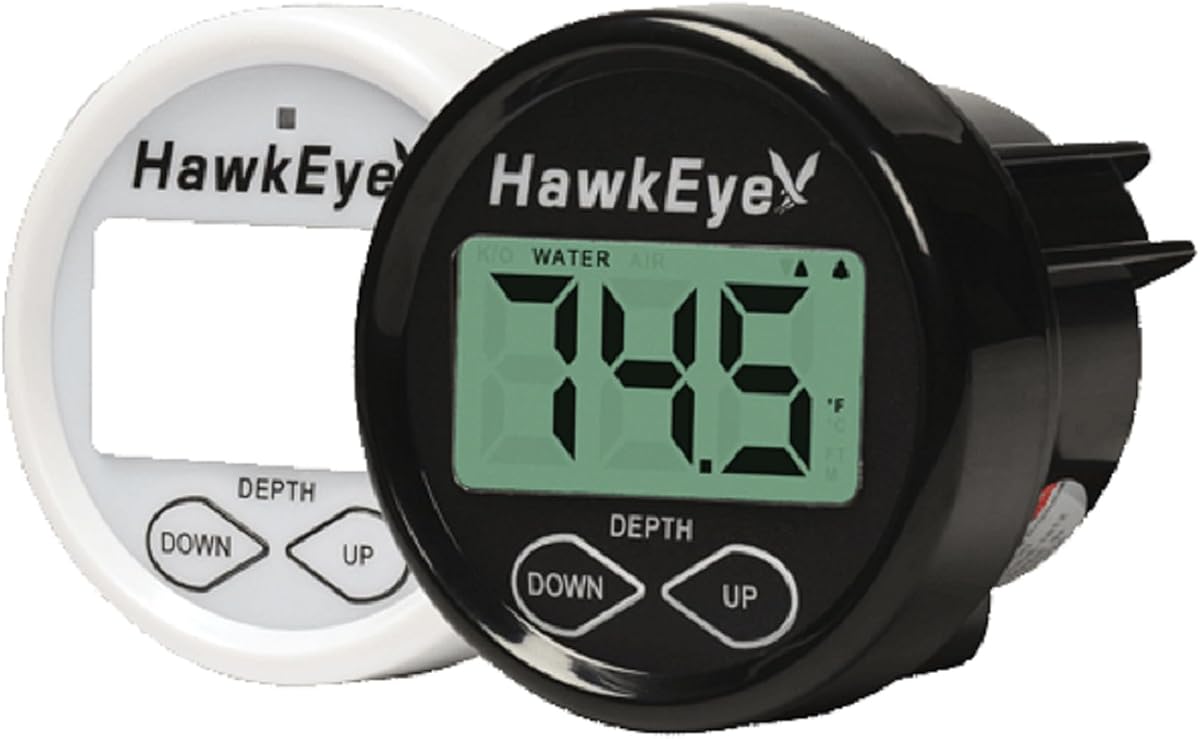
HawkEye offers an in-dash sounder that shows air and water temperatures along with depth. The soft glow backlight ensures visibility at night. Users note the clear polarized display and included transom transducer.
We may earn a commission when you buy through this link, at no additional cost to you.
The display requires a flush mount hole but the face measures compact. It works well with sunglasses thanks to the polarized technology. The alarm system is easy to mute with one touch.
Drilling for installation is required which may not suit rental boats. The screen is relatively small compared to modern units. However, the temperature feature is a distinct advantage for tracking conditions.
Choose this if you want temperature data in a simple dash unit. It is suitable for small vessels needing a permanent depth monitor. Verify mounting dimensions before purchase.
Shows water or air temperature in Fahrenheit or Celsius on the display.
No glare polarized LCD allows spot free viewing with or without sunglasses.
We may earn a commission when you buy through this link, at no additional cost to you.
This handheld finder provides basic depth and temperature readings in a portable package. It is ideal for shore or ice fishing where larger units are cumbersome. Users appreciate the simplicity and temperature data.
We may earn a commission when you buy through this link, at no additional cost to you.
The unit shows depth up to 300 feet which covers many shallow fishing spots. It is easy to carry and requires minimal setup. The temperature feature helps track water conditions.
The range is limited compared to boat mounted units. It offers basic functionality without advanced sonar features. This makes it a secondary tool rather than a primary device.
Use this for quick checks or casual fishing trips. It fits well in a cooler or tackle bag. Consider it if you need temperature info on a budget.
Easy to carry and use for shore or ice fishing scenarios.
Displays temperature data to help monitor fishing conditions.
We may earn a commission when you buy through this link, at no additional cost to you.
This portable unit shows contour readouts and fish group data to help you understand the bottom. It is water resistant for use in splashing conditions. The lure lamp may attract some fish in low light.
We may earn a commission when you buy through this link, at no additional cost to you.
The device displays depth and temperature updates four times per second. You can use it for ice, lake, or river fishing. It is lightweight and rugged for outdoor use.
The lure lamp only works on sensitive fish and the screen is basic. The waterproof rating allows use near water but not underwater. It is a versatile tool for various environments.
This is a good gift for fishing enthusiasts who want contour info. It covers multiple fishing types and water conditions. Check the waterproof limits before use.
Shows water depth and fish groups to identify structure.
Withstands splashing and is waterproof up to 100 feet.
We may earn a commission when you buy through this link, at no additional cost to you.
Selecting the right depth finder depends on your fishing style and budget. We have broken down the essential factors to help you narrow your options effectively.
Sonar technology varies between standard and CHIRP types. CHIRP sonar sweeps frequencies to create clearer images and better fish separation compared to standard sonar.
Look for CHIRP or ClearVu if you want detailed bottom structure and fish arches.
Display size and type impact readability in sunlight. IPS screens stay clear in bright conditions while LCDs may require a visor.
Choose a screen that is readable without squinting and has a backlight for night use.
Handheld units are best for shore or kayak fishing where mounting is difficult. Boat mounted units offer larger displays but are fixed in place.
Consider where you fish most often to decide between portable and fixed options.
Battery life varies significantly between disposable and rechargeable systems. Some units run on AAA batteries while others include rechargeable packs.
Opt for rechargeable batteries if you fish frequently to save money and waste.
Depth range determines how deep you can detect structure and fish. Most budget units cover shallow to moderate depths suitable for inland waters.
Check the maximum depth specification to ensure it fits your typical fishing spots.
Transom mount transducers are common for boats but may require drilling. Castable units offer flexibility without permanent installation on your vessel.
Choose a mounting style that aligns with your boat or fishing method.
Waterproof ratings ensure the unit survives splashing or rain. IPX7 ratings indicate protection against immersion up to one meter.
Look for IPX7 or higher ratings if you fish in rainy or wet conditions.
Features like GPS, temperature, and alarms add value. GPS helps mark waypoints while temperature tracks water conditions for fish behavior.
Prioritize features that directly enhance your fishing routine and comfort.
When using a depth finder, ensure the transducer is mounted correctly to avoid false readings. For boat mounted units, keep the transducer face parallel to the water surface.
Clean the unit with fresh water after each use to remove salt and debris. Wipe the screen with a soft cloth to maintain clarity.
Store the device in a dry place when not in use to protect the electronics. Remove batteries if storing for long periods to prevent corrosion.
In most areas you do not need a license to use a depth finder as it is a passive device. However local regulations may apply for transducers that emit signals in protected waters. Check with your local fishing authority.
Budget units typically work from a few feet up to 300 to 600 feet depending on the model. Most cover standard freshwater and coastal depths effectively for recreational fishing.
Yes many models are designed for both fresh and saltwater use. Ensure the transducer and casing are rated for saltwater to avoid corrosion issues.
Battery life depends on usage and settings. Some handheld units last 4 to 5 hours on AAA batteries while rechargeable ones may last longer with power saving modes.
GPS is not strictly necessary but helps mark and return to productive spots. If you fish the same areas often a GPS feature adds significant convenience.
CHIRP sonar sends a continuous sweep of frequencies instead of a single pulse. This provides clearer images and better separation of fish and structure compared to standard sonar.
Many portable units come with mounting options for kayaks. Some models are castable and do not require any drilling on your kayak.
We hope this guide helped you compare the top cheap depth finders available in November 2026. The Garmin Striker 4 stands out as a balanced choice while budget handheld units offer value for casual anglers.
Prioritize features like sonar clarity and battery life that matter most to your fishing style. Consider portability if you fish from kayaks or shore often.
Prices can vary so check current listings before buying to ensure you get the best deal available today.