
Dissolved Oxygen Meter with ATC
4.3Editor score
Extended measurement range up to 40 mg/L
Automatic temperature compensation included
Includes calibration powder and protective covers
This guide compares the top ten dissolved oxygen sensors for water quality monitoring across aquariums, aquaculture, and industrial applications.
Finding the right dissolved oxygen sensor is essential for maintaining healthy aquatic environments and ensuring accurate water quality monitoring. Whether you manage a fish farm or run a lab, precise measurements keep systems stable and safe.
We compared ten leading sensors based on response time, calibration ease, durability, and compatibility with different water environments. Our analysis covers galvanic, polarographic, and optical technologies to help you select the best tool for your needs.
Each pick highlights specific strengths like low maintenance, fast readings, or robust build quality. Prices and availability change frequently, so verify current details before purchasing to ensure you get the right value for your application.
4.3Editor score

4.8Editor score

4.8Editor score
The following table provides a side-by-side comparison of all ten sensors evaluated in this guide to help you identify key differences in features and intended use cases.
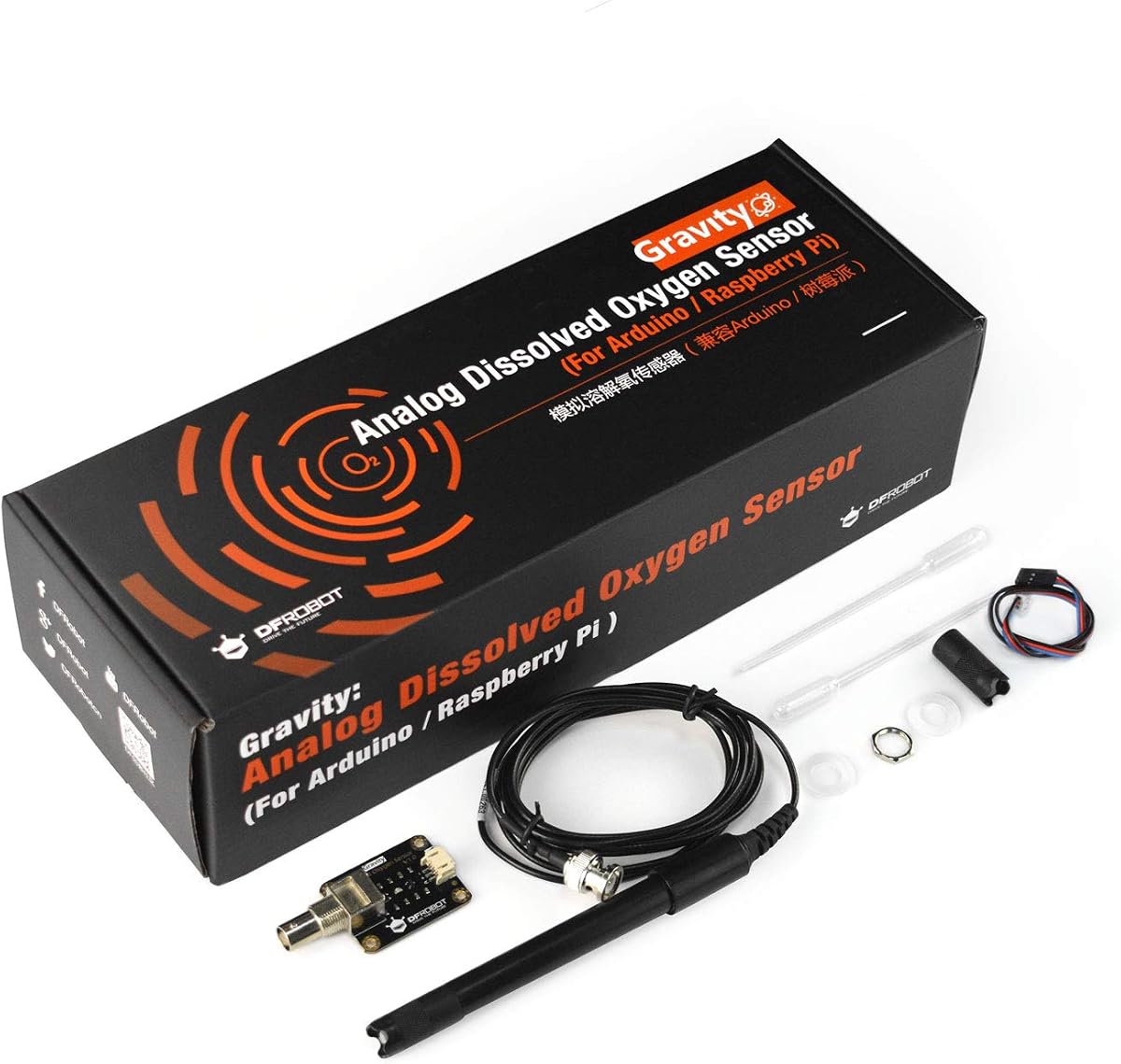
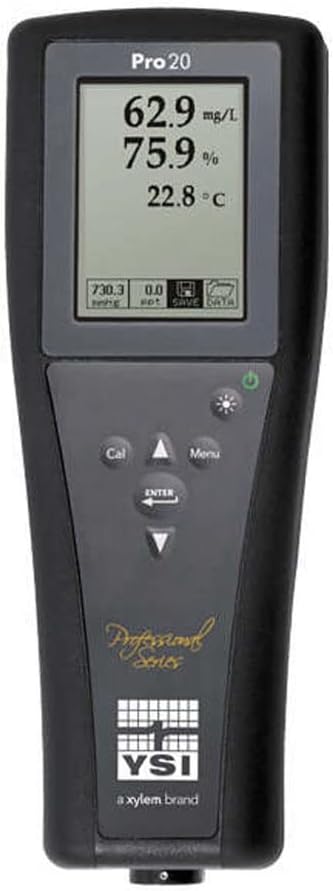


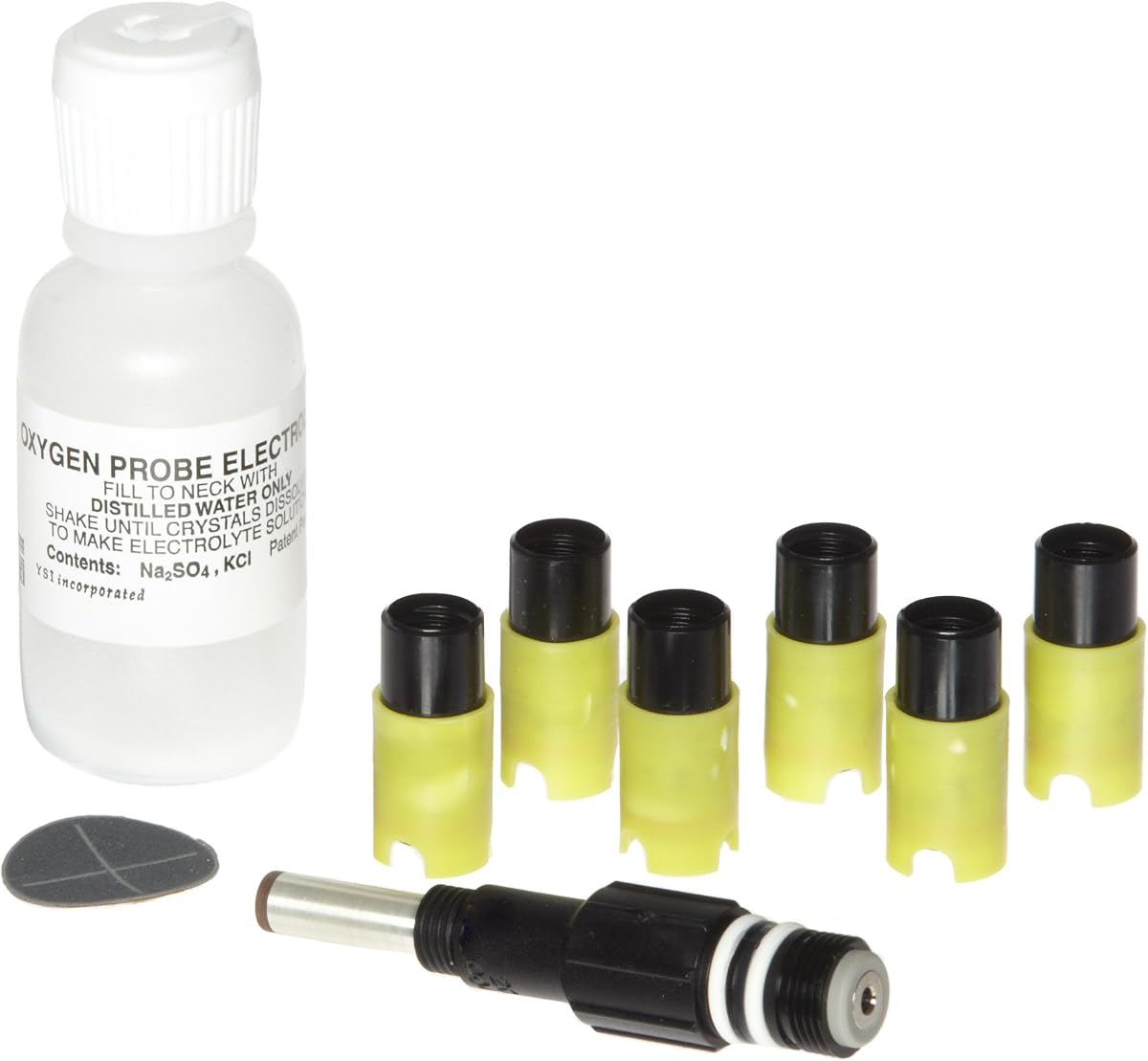
This sensor kit stands out for its ability to integrate seamlessly with microcontrollers like Arduino and ESP32. It offers a galvanic probe that eliminates the need for polarization, allowing immediate use upon power-up.
We may earn a commission when you buy through this link, at no additional cost to you.
The hardware filtering on the signal converter board ensures low-jitter analog voltage. This makes data collection more reliable without complex software processing. The detection range of 0 to 20 mg/L is suitable for most freshwater monitoring applications.
While the probe requires a specific filling solution which is not included in the package, the setup is straightforward. Users can prepare the solution easily following official guidelines. This design choice reduces shipping constraints and keeps the initial cost lower.
It is an excellent choice for hobbyists or researchers building custom water quality systems. The open-source code and documentation support quick deployment. Anyone looking for a smart, low-cost IoT solution should consider this kit.
The galvanic probe reaches 98% response in 90 seconds. This speed is crucial for intermittent monitoring or systems with low-power supplies where waiting for a warm-up is not practical.
A spare membrane cap is included to extend the sensor life. Since the cap and filling solution are replaceable, users avoid discarding expensive probes when consumables run out.
We may earn a commission when you buy through this link, at no additional cost to you.
This sensor is designed for users who prioritize ease of maintenance and reliability. The galvanic probe allows for quick sensor replacements without the need for specialized tools. This feature significantly reduces downtime during field operations.
We may earn a commission when you buy through this link, at no additional cost to you.
The screw-on cap membranes simplify the process of changing consumables. The package includes six membrane caps and a bottle of solution, ensuring you can start working immediately. The high rating reflects user satisfaction with this practical design.
While the initial investment is higher than entry-level options, the durability and support are well worth it. It is particularly suitable for professional environments where consistent accuracy is paramount. Users appreciate the convenience of the screw-on design.
If you need a reliable sensor for continuous monitoring without complex repair procedures, this is a strong candidate. It fits well into the YSI ecosystem, offering long-term stability. The ease of use makes it a favorite among aquaculture professionals.
Changing the sensor is straightforward and requires no tools. This reduces the risk of damage during maintenance and ensures the sensor remains operational for longer periods.
Included caps and solution mean you are ready to use the sensor right away. This eliminates the delay of ordering separate parts after receiving the probe.
We may earn a commission when you buy through this link, at no additional cost to you.
This handheld meter is built for professionals who need to track data over time. One Touch Cal allows for quick and easy calibration within three seconds. The graphic backlit display ensures you can read results clearly even in dark environments.
We may earn a commission when you buy through this link, at no additional cost to you.
It stores up to 50 data sets, removing the need to write down results manually. Automatic barometric pressure compensation ensures accuracy across different elevations. The glow-in-the-dark keypad adds a layer of usability for field work at night.
The device focuses on user convenience and data integrity. While it does not come with a probe, it is a powerful tool when paired with compatible sensors. Users value the ability to recall previous measurements directly from the device.
For those who require consistent readings without manual note-taking, this meter is an excellent choice. Its durability and feature set make it suitable for industrial or scientific use. It simplifies the workflow significantly for routine testing.
The One Touch Cal feature streamlines the setup process. You can calibrate quickly, ensuring minimal interruption to your workflow.
Storing data directly on the device prevents lost notes. This is essential for tracking trends in water quality over multiple days.
We may earn a commission when you buy through this link, at no additional cost to you.
This sensor represents the next generation of oxygen measurement technology. Optical sensors provide high accuracy without the need for chemical reagents. It is designed to integrate with the YSI ProDSS system for comprehensive monitoring.
We may earn a commission when you buy through this link, at no additional cost to you.
The optical method is less susceptible to interference compared to traditional electrochemical methods. This ensures that data collected is reliable and consistent over time. It is a preferred option for advanced environmental research.
While it requires a specific meter base to function, the performance benefits are significant. Users can expect stable readings and fewer calibration intervals. This makes it a valuable asset for long-term monitoring projects.
For professional applications requiring precise data, this sensor is a strong investment. It aligns with modern standards for water quality testing. The optical design reduces operational complexity significantly.
Optical sensors do not consume oxygen during measurement. This feature leads to more stable and accurate results in various water conditions.
Designed to work seamlessly with the ProDSS platform. This integration allows for multi-parameter monitoring in a single device.
We may earn a commission when you buy through this link, at no additional cost to you.
This meter offers an extended range of 0 to 40 mg/L which is broader than standard models. Automatic temperature compensation ensures accurate results across changing conditions. The clear LCD screen allows for easy readings at a glance.
We may earn a commission when you buy through this link, at no additional cost to you.
The package includes necessary accessories like filling fluid and calibration powder. This completeness adds value for users starting new monitoring tasks. Auto power-off after 8 minutes helps conserve battery life during intermittent use.
It is well-suited for diverse applications including aquariums and industrial settings. While it lacks a backlight, the display remains functional in most well-lit areas. The focus is on delivering reliable performance without unnecessary complexity.
For those seeking an affordable solution that covers basic to intermediate needs, this is a practical choice. It handles various water environments well. The included calibration materials ensure you can start testing immediately.
The 40 mg/L range supports more demanding applications. This capability makes it useful for industrial or high-requirement scenarios.
Calibration powder and filling fluid are included. This saves time and effort in preparing the device for immediate use.
We may earn a commission when you buy through this link, at no additional cost to you.
This test kit is designed with small ponds and aquariums in mind. It offers two measurement units: mg/L and percentage of saturation. The electrode cable is long enough to reach deeper areas of a fish tank easily.
We may earn a commission when you buy through this link, at no additional cost to you.
The backlit display allows for readings in dimly lit environments. This feature is useful for checking water quality at night or in shaded areas. A 2-point calibration ensures basic accuracy for daily checks.
While it may not have the durability of professional grade sensors, it is sufficient for general hobby use. The inclusion of multiple membrane packs and solutions makes it a complete kit. Users can maintain their aquatic systems effectively.
For beginners or casual pond keepers, this device provides a straightforward way to monitor oxygen levels. It helps ensure aerobic lifeforms stay healthy. It is a cost-effective entry point into water testing.
The 2-point calibration is simple to perform. This ensures that the device remains accurate with minimal user effort.
Readings are clear even in low light. This is essential for evening checks of outdoor ponds or shaded tanks.
We may earn a commission when you buy through this link, at no additional cost to you.
This meter includes a long 11.48 ft cable for deep water testing. It features a large LCD that displays DO, temperature, and pressure. The stability indicator helps ensure that the reading is consistent before recording.
We may earn a commission when you buy through this link, at no additional cost to you.
It stores up to 99 data sets which is excellent for long-term tracking. The Clark-type electrode is durable and offers a long sensor life. The package includes everything needed for immediate testing including batteries and membranes.
The device balances professional features with portability. You can switch between auto and manual settings based on your needs. The carrying case protects the unit during transport. It is suitable for both field and lab work.
If you need to monitor water quality over time with detailed logging, this meter is a solid choice. The comprehensive feature set provides flexibility. It supports various environments from aquariums to industrial sites.
The ability to store 99 data points allows for extensive logging. This reduces the need for manual recording and increases efficiency.
Measures salinity and pressure alongside oxygen. This broadens the utility of the device for various water quality studies.
We may earn a commission when you buy through this link, at no additional cost to you.
This portable meter is ideal for educational and basic environmental analysis. It features automatic temperature compensation to ensure accuracy across different water temperatures. The LCD screen is easy to read during routine checks.
We may earn a commission when you buy through this link, at no additional cost to you.
The polarographic probe comes with a 3m cable and a screw-on cap membrane. Two-point manual calibration ensures that the device is ready for precise measurements. This setup is common in training environments and field studies.
Its design focuses on reliability and ease of use. Users can carry it easily to different testing sites without much hassle. The accuracy is sufficient for general water analysis needs. It is a robust tool for standard applications.
For schools or organizations needing a dependable yet simple device, this meter is a good fit. It covers the basics without unnecessary complexity. The portable nature makes it accessible for diverse testing scenarios.
Designed for transport and field use. The sturdy build ensures it can withstand regular movement and handling.
Provides reliable readings for routine tasks. This accuracy meets the needs of most basic water testing protocols.
We may earn a commission when you buy through this link, at no additional cost to you.
This kit offers a hassle-free testing experience with its optical sensor. The measurement process is reliable and easy to perform. Minimal maintenance is needed since there is no need for frequent membrane changes or solution refills.
We may earn a commission when you buy through this link, at no additional cost to you.
Easy auto calibration allows for quick setup using saturated air and zero-oxygen solutions. The IP67 waterproof structure makes it ideal for harsh environments where dust and water exposure are concerns. It is built to last in demanding conditions.
The package includes a complete set with a meter, probe, calibration cap, and rugged case. This ensures you have everything needed to start immediately. Users appreciate the robust build and user-friendly design.
For professionals seeking a premium solution with long-term value, this kit is a top choice. It simplifies the monitoring process significantly. The optical technology reduces long-term operational costs.
The optical sensor reduces upkeep. This allows you to focus on data collection rather than routine sensor repairs.
IP67 protection ensures durability in tough environments. This is essential for outdoor or industrial water quality monitoring.
We may earn a commission when you buy through this link, at no additional cost to you.
This sensor is designed for laboratory applications requiring precise measurements. It uses polarographic technology to provide consistent data. The package is compact and lightweight, making it easy to store and handle.
We may earn a commission when you buy through this link, at no additional cost to you.
It is a reliable choice for scientific research or industrial testing. The sensor fits well with existing lab equipment. Users benefit from the accuracy associated with polarographic methods in controlled environments.
The design focuses on functionality and precision. It is suitable for setups where regular calibration is possible. The sensor ensures that data collected is trustworthy for reporting purposes.
For labs needing a robust sensor for routine analysis, this product is a strong option. It offers stability and accuracy. The packaging ensures it arrives ready for use without unnecessary bulk.
The sensor is tailored for controlled environments. This ensures data integrity for research and testing reports.
Space-efficient design for lab storage. This allows for organized management of equipment without clutter.
We may earn a commission when you buy through this link, at no additional cost to you.
Choosing the right sensor requires understanding your specific environment and measurement needs. Here are the key factors to consider.
Different technologies like galvanic, polarographic, and optical offer distinct benefits. Galvanic sensors are generally maintenance-friendly and quick. Optical sensors provide high accuracy with minimal maintenance. Polarographic sensors are standard for lab environments.
Select the technology that fits your workflow and environment. Optical is great for long-term field work, while galvanic suits portable use.
Ensure the sensor covers the range required for your application. Most sensors cover 0 to 20 mg/L but some go up to 40 mg/L. Industrial settings may require broader ranges.
Check the specifications to confirm the meter aligns with your expected water conditions. A wider range offers more versatility.
Response time determines how fast the sensor delivers a stable reading. Faster response is useful for intermittent monitoring or dynamic systems. Look for sensors that reach 98% response in under two minutes.
Quick response allows for efficient sampling. This is crucial when taking many readings in a short period.
Calibration processes vary from single-point to two-point setups. Systems with automatic calibration or easy touch features save time. Ensure the solution and membranes are readily available.
Prioritize sensors with simple calibration if you lack technical experience. This reduces errors during regular maintenance.
For field use, the sensor must be waterproof and dust-proof. IP67 ratings are desirable for outdoor applications. A rugged design ensures longevity in harsh conditions.
Invest in a build that can withstand drops and exposure. This protects your investment and ensures consistent performance.
If you need to track trends, choose a meter with memory storage. Some units store up to 50 or 99 data points. This eliminates the need for manual notes.
Digital storage simplifies reporting. Look for units that allow you to download data to a computer if possible.
Consider how often you need to change membranes or refill fluids. Optical sensors generally need less maintenance than polarographic ones. Evaluate the cost and availability of consumables.
Lower maintenance options save time and money. Ensure that replacement parts are easy to find for your specific model.
Check if the sensor works with your existing meter or system. Some sensors are proprietary to specific brands like YSI. Ensure you have the correct interface or adapter.
Verify compatibility before purchasing to avoid return issues. A mismatched sensor can render your setup unusable.
To begin, ensure the sensor is properly prepared according to the manual. Install the membrane cap carefully and fill it with the required solution. Avoid trapping air bubbles inside the cap.
Before measuring, calibrate the device using a zero solution and air. Follow the manufacturer steps to set the baseline. Regular calibration maintains accuracy over time.
After use, rinse the sensor with fresh water and store it in a humid environment. Keep the membrane moist to prevent drying out. Regular cleaning prevents fouling and extends lifespan.
Optical sensors use fluorescence to measure oxygen levels and require no electrolyte. They offer minimal maintenance. Polarographic sensors use an electrochemical reaction and need regular membrane changes.
It is best to calibrate before each use or at least daily for precise work. For casual use, weekly calibration is acceptable. Always check the manual for specific recommendations.
Many sensors are designed for both freshwater and saltwater. Check the specifications for salinity range. Ensure the calibration accounts for the specific salinity of your water.
Inconsistent readings often result from membrane fouling or air bubbles. Replace the membrane or clean the probe. Ensure proper calibration and stable temperature conditions.
Most sensors last about 12 months with proper maintenance. Optical models may last longer due to less chemical degradation. Replace components as needed to maintain accuracy.
Yes, most sensors require a compatible meter to display readings. Some kits include both. Check compatibility with your existing equipment before purchasing.
We reviewed ten top sensors ranging from budget-friendly IoT kits to professional optical models. Each option offers distinct advantages depending on your needs. Consider factors like range, ease of use, and maintenance.
Prioritize durability and accuracy for professional applications. For hobbyists, ease of calibration and affordability are key. Choose a model that fits your workflow and budget.
Prices and availability change frequently. Always verify the current status before purchasing to ensure you get the best value for your specific needs.